Canada

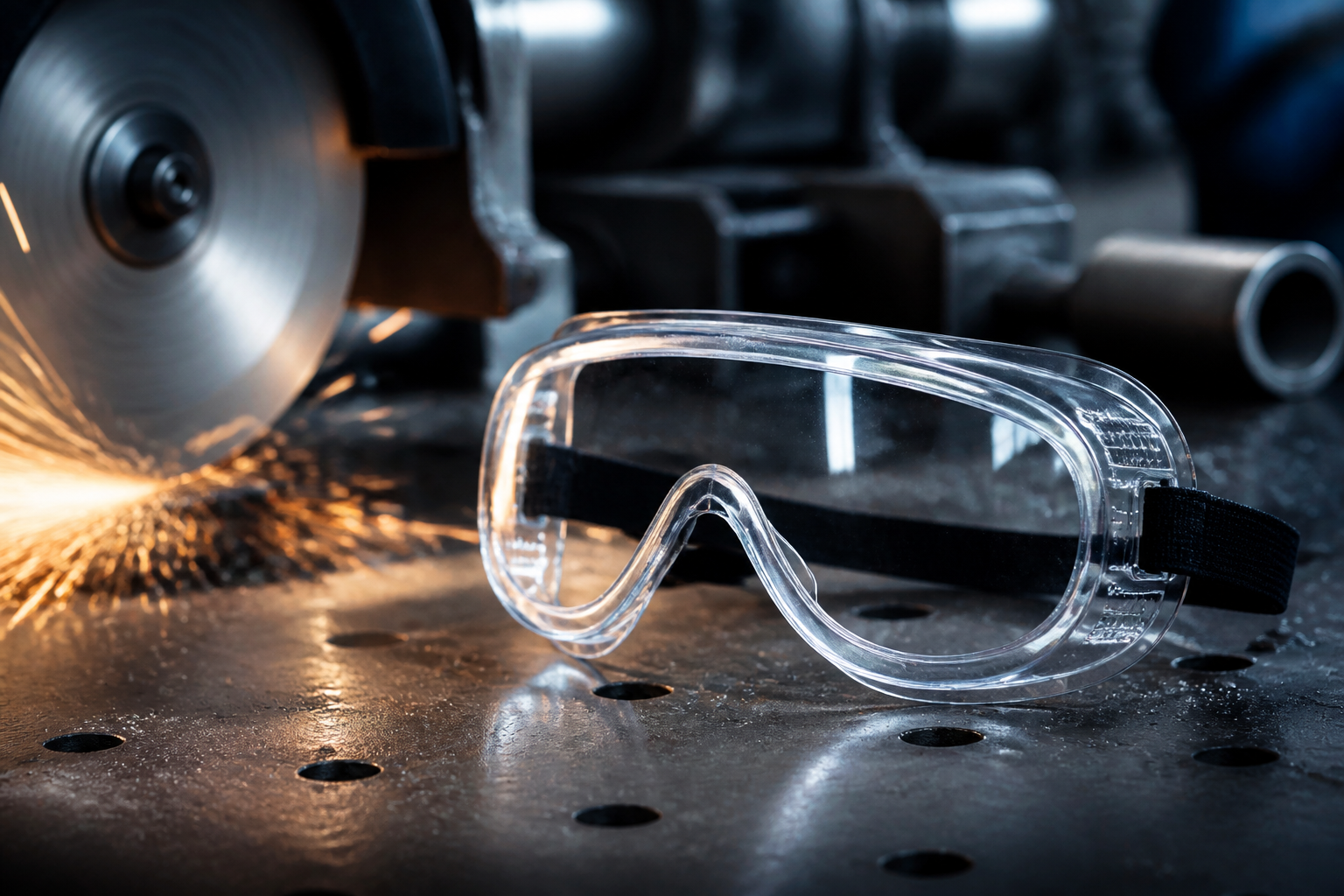
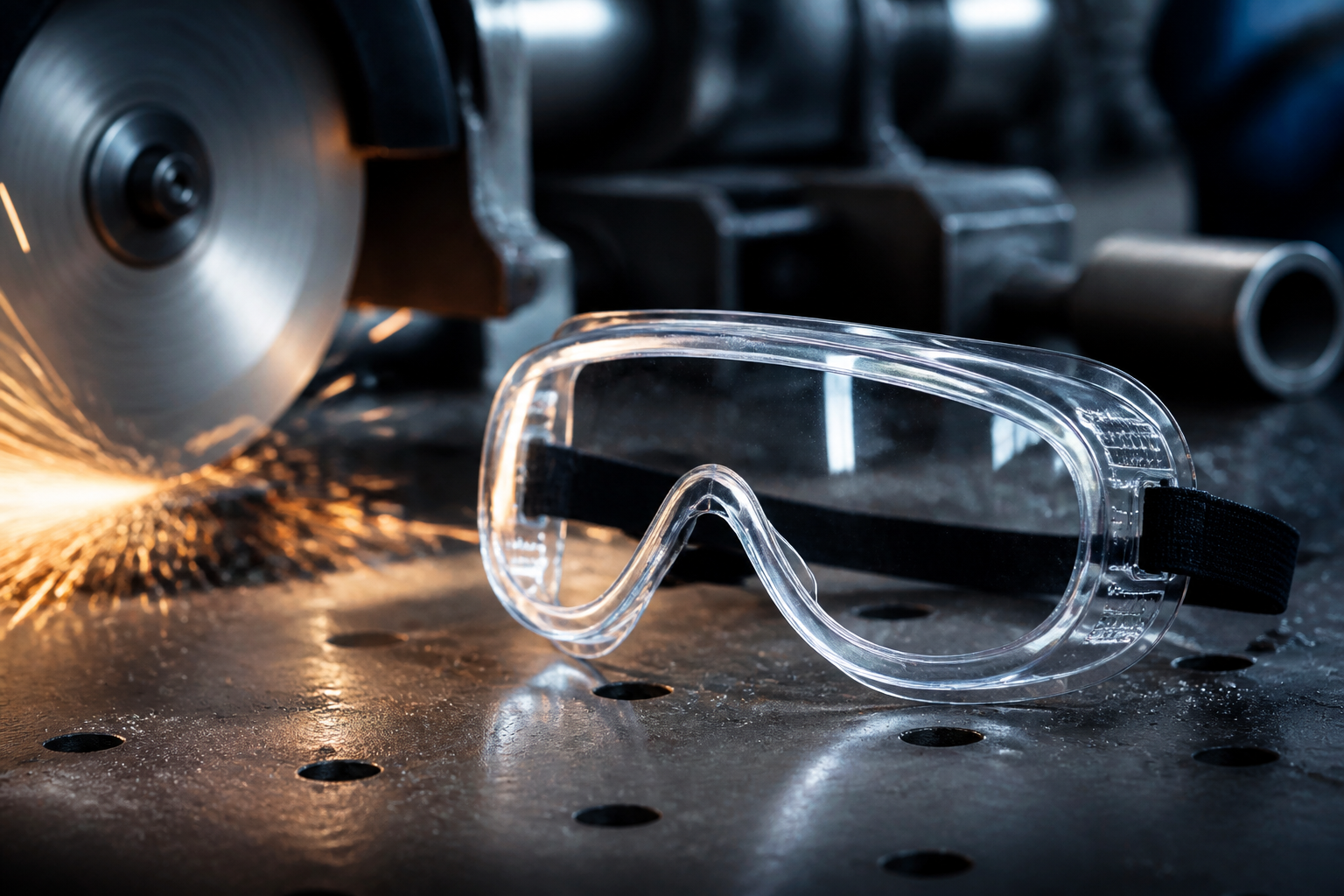
A Practical Guide to Wear Safety Goggles
Eye injuries happen fast and can be life-changing. Wearing safety goggles is a simple, effective barrier between your eyes and hazards like flying debris, splashes, dust, and intense light. This practical guide explains when and how to wear safety goggles, how to select the right type, fit them correctly, prevent fogging, and keep them clean and ready for the next task. It is intended for general information to help you build safer habits; for workplace-specific requirements, consult your organization’s safety professional.
Why eye protection matters
Your eyes are exposed in more situations than you might think. Even small particles traveling at low speed can cause scratches, while chemical splashes and vapors can injure sensitive tissue on contact. Impact, splash, dust, and optical radiation are common categories of hazards. The goal of safety goggles is to create a sealed or semi-sealed protective zone around your eyes, reducing the chance that hazards can reach them.
- Impact hazards: chipping, grinding, cutting, drilling, nail-gunning, or hammering can eject fast-moving particles.
- Splash hazards: handling, pouring, or cleaning with liquids such as solvents, acids, bases, fuels, coolants, or disinfectants.
- Airborne dust and fibers: sandblasting, sweeping, insulation work, drywall sanding, woodworking, or working around conveyor dust.
- Biological droplets and mists: certain cleaning or sanitation tasks can generate aerosols.
- Optical hazards: bright light, glare, or certain specialized tasks may require tinted or filtered lenses to reduce strain.
When to wear safety goggles
Wear safety goggles whenever your task could send particles, droplets, or irritants toward your eyes, or when you move between areas with posted hazards. If you are unsure, the simple rule is to wear them until you have confirmed the environment is free of eye hazards.
- During machining, cutting, grinding, or drilling—even for a single quick cut.
- While using compressed air, pressure washing, or blowing off equipment.
- When handling chemicals, even during routine transfers or cleaning.
- In dusty spaces such as construction, demolition, or storage areas.
- Near conveyor lines, mixers, or equipment that can eject fragments.
- Whenever entering zones marked with eye-protection-required signage.
- Any time another person nearby is doing an activity that could generate flying debris or spray.
Choosing the right goggles
Different hazards call for different goggle features. Use the following framework to match goggles to your environment and task:
-
Hazard type:
- Impact and flying debris: select impact-rated, wraparound goggles with sturdy lenses and a secure strap.
- Splash and liquids: choose chemical-splash goggles with an indirect-vent or non-vented design to limit fluid ingress.
- Dust and fine particles: look for foam or soft-seal edges and indirect vents to maintain airflow while reducing dust entry.
- Glare or bright light: consider appropriate lens tints that reduce brightness and eye strain for the task at hand.
-
Lens properties:
- Anti-fog: valuable in warm, humid, or high-exertion work where temperature differences cause condensation.
- Scratch resistance: extends lens clarity when exposed to dust and frequent cleaning.
- Optical clarity: pick clear, distortion-free lenses for tasks requiring precision.
-
Ventilation:
- Non-vented: highest splash resistance; may fog more easily.
- Indirect-vented: helps reduce fog while limiting splash entry.
- Direct-vented: best airflow for impact-only dust-free tasks; avoid where splashes are possible.
-
Compatibility:
- Hard hats and hearing protection: ensure straps and frames do not interfere with other PPE.
- Prescription eyewear: use over-the-glass (OTG) goggles or prescription inserts designed for the goggle model.
- Respirators and masks: check the seal where straps overlap to prevent gaps and discomfort.
-
Comfort and fit:
- Adjustable straps and soft seals reduce pressure points and encourage consistent wear.
- Weight and balance matter for long shifts—lighter designs reduce fatigue.
How to fit and wear goggles correctly
A good fit is the difference between genuine protection and a false sense of security. Follow these steps each time you put on your goggles:
- Inspect the goggles before use: check the lens for cracks or deep scratches, confirm the strap elasticity, and ensure the frame seal is intact.
- Adjust the strap so the goggles sit evenly around your eye sockets without gaps. The seal should contact the skin all around your eyes.
- Position the strap above the widest part of the back of your head or over your hard-hat retainer clips if available.
- Check for gaps by gently moving your eyebrows, cheeks, and nose bridge; re-seat as needed.
- Confirm compatibility with other PPE—don your respirator, hearing protection, and hard hat, then re-check the seal.
- Re-adjust during work if sweat, movement, or other factors loosen the strap or break the seal.
Preventing fog and maintaining visibility
Fogging is a common reason people remove eye protection at the worst possible time. Tackle the causes of condensation proactively:
- Select lenses with anti-fog treatment when heat or humidity is expected.
- Choose indirect-vent goggles for splash-possible but steamy environments; they balance airflow with protection.
- Keep your face covering or respirator properly fitted to reduce warm exhaled air venting upward.
- Take short cool-down breaks in safe areas if heat buildup is unavoidable.
- Clean lenses as directed by the manufacturer; residue from improper cleaners can worsen fog.
Care, cleaning, and storage
Clear lenses and intact seals are essential. A few simple habits will extend the service life of your goggles and keep vision sharp:
- Rinse first: if lenses are gritty, gently rinse with clean water before wiping to avoid scratching.
- Use the right cleaner: apply a mild soap solution or a cleaner recommended for eyewear; avoid harsh solvents that can cloud or crack lenses.
- Pat dry with a soft, lint-free cloth; do not use abrasive rags or paper towels that can scratch.
- Inspect the strap and seal: replace goggles if the strap loses elasticity or if the seal or frame is deformed.
- Store in a protective case or clean pouch away from direct sunlight and chemicals.
- Assign personal goggles whenever possible: shared eyewear should be disinfected between users per your workplace hygiene procedures.
Common mistakes to avoid
- Wearing only street glasses: everyday eyewear is not designed for impact or splash hazards.
- Leaving gaps: even small openings at the cheek or nose can let in dust or droplets.
- Pushing goggles up on the forehead between tasks: hazards can arise unexpectedly.
- Cleaning with strong solvents: doing so can degrade lenses and seals.
- Ignoring strap wear: a loose strap can break the seal without you noticing.
- Reusing damaged goggles: replace lenses or units that are scratched, cracked, or warped.
Integrating goggles into your workday
Eye protection works best when it becomes routine. Use these steps to make wearing goggles automatic and consistent across shifts and teams:
- Place goggles at the point of use: near machine controls, chemical stations, or entry points to hazard zones.
- Standardize models by task area to simplify training and replacements.
- Use clear signs at entrances and work cells to remind people before they start.
- Build a quick-fit check into pre-task briefings or start-up checklists.
- Keep anti-fog wipes or approved cleaners where people pick up their PPE.
- Encourage a “buddy check” culture—remind each other if someone forgets or has a poor fit.
Quick checklist before you begin
- Have you identified impact, splash, dust, or glare hazards for the task?
- Are your goggles appropriate for the hazards present?
- Do the lenses provide clear, undistorted vision?
- Is the strap snug and the seal continuous around your eyes?
- Do the goggles work with your other PPE without gaps?
- Is anti-fog protection in place if needed?
- Are cleaning supplies and a storage pouch available where you will finish the task?
Troubleshooting fit and comfort
If your goggles are uncomfortable, you are less likely to keep them on. Try these adjustments:
- Pressure on the nose bridge: loosen the strap slightly and re-seat; consider a model with a softer nose pad.
- Cheek or forehead pressure: re-center the frame and ensure your hard hat or cap is not pushing the frame downward.
- Fogging while wearing a face covering: route the top of your face covering under the goggle seal where appropriate and adjust for minimal upward airflow.
- Glasses under goggles: look for over-the-glass designs with deeper lens cups to prevent contact with your frames.
- Red marks after use: rotate to a design with a wider strap or softer seal materials.
FAQ
What is the difference between safety glasses and safety goggles?
Safety glasses have rigid arms and typically leave gaps around the eyes; they are helpful for low-risk impact tasks. Safety goggles use a strap and a soft seal that conforms to the face, reducing gaps and improving protection against dust and liquid splashes. Choose goggles when hazards can approach from multiple angles or when splashes are possible.
How do I know if my goggles fit correctly?
Your goggles should make uniform contact around your eye sockets with no obvious gaps at the nose bridge, cheeks, or temples. You should be able to look up, down, and side-to-side without the seal lifting. If you wear other PPE, put it on and re-check the seal; if anything breaks the seal, adjust or try a different model.
How often should I replace my safety goggles?
Replace goggles when lenses are scratched enough to affect vision, when the strap loses elasticity, when the frame or seal is cracked or warped, or after a significant impact or chemical splash. If in doubt, err on the side of replacing them—clear vision and a reliable seal are essential.
Can I wear contact lenses with safety goggles?
Yes, but ensure your goggles fit well and you have a plan for rinsing your eyes in case of a splash or dust exposure. Contacts can trap particles against the eye if contaminants get past the seal, so keeping a good seal and using appropriate ventilation is important.
What can I do if my goggles fog even with anti-fog lenses?
Combine steps: ensure proper ventilation (indirect vents for splash environments), improve the fit of face coverings to route warm air away from the goggles, take brief cool-down breaks in safe areas, and clean lenses with approved cleaners. If fog persists, try a different goggle model with improved airflow or a higher-performing anti-fog coating.