Canada

Safety labels and stickers: selection, placement, and maintenance checklist
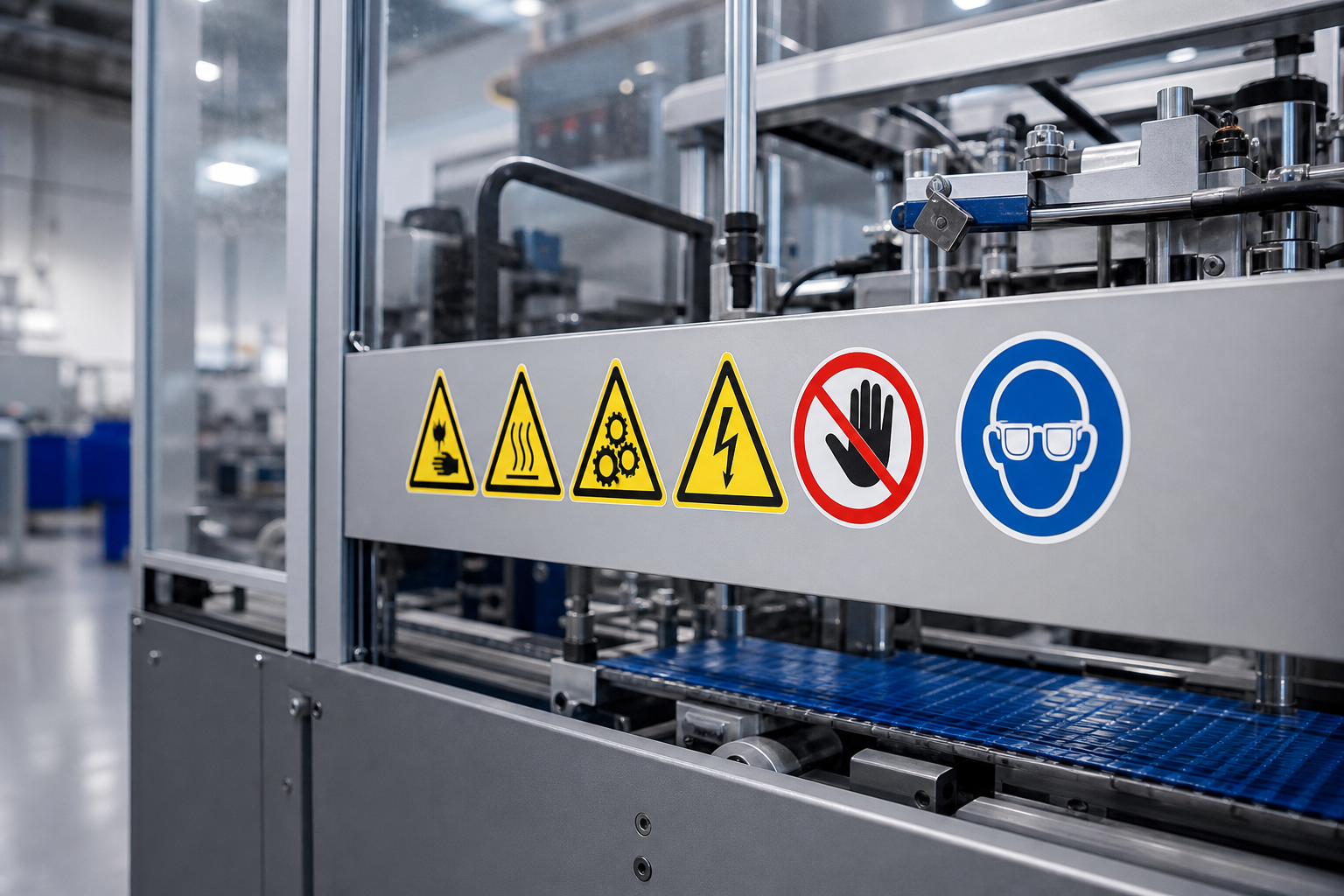
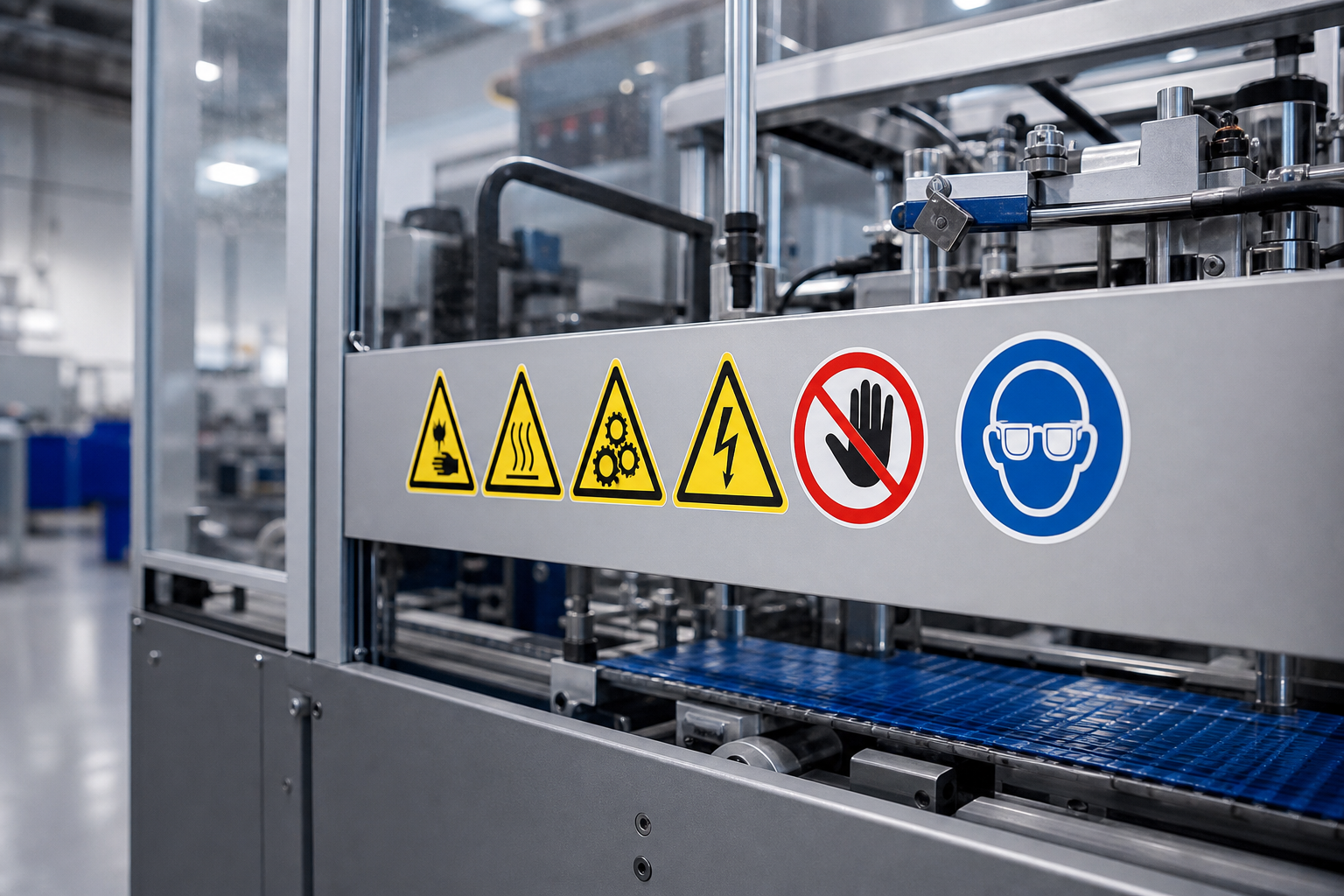
Safety labels and stickers are the everyday workhorses of workplace communication. When they are clear, durable, and consistently used, teams can quickly understand hazards, follow procedures, and navigate facilities with fewer errors. This article provides a practical, standards-aware checklist to help you plan, select, place, and maintain safety labels and stickers so they do their job—day in and day out.
Plan your system before you buy
Before choosing any specific label or sticker, define what you need the system to accomplish. A small amount of planning prevents costly rework and inconsistent messaging later.
- List your critical communication goals (hazard warnings, procedural steps, PPE reminders, traffic controls, equipment status, pipe content identification, and fire protection wayfinding).
- Group messages by area and workflow so employees encounter information where and when they need it.
- Standardize language, color cues, and symbols across departments to avoid mixed signals.
- Create a master message catalog to keep phrasing, icons, and part references consistent through procurement and maintenance cycles.
As you plan, note the conditions each label will face: outdoor exposure, UV radiation, moisture, and chemicals are common in industrial settings. Labels and stickers built for these environments support long service life and help maintain legibility over time.
Align with recognized standards
Standards provide a shared visual language and structure for safety communication. When appropriate for your application, reference widely recognized frameworks to inform color coding, signal words, and symbol conventions. Standards mentioned in the industrial labeling and signage space include:
- ANSI frameworks for safety communication and product quality.
- NFPA 170 for fire safety and emergency symbols.
- ASME A13.1 for pipe content identification and flow direction conventions.
- NFPA-99C, CGA C-9-2002, and CAN/CGSB-24.3-12, which appear in specialized contexts.
Use these references to guide decisions on layout, symbol use, and terminology where applicable to your operations. When in doubt about jurisdictional or site-specific requirements, consult your internal safety leadership and qualified professionals.
Choose materials for the environment
Safety labels and stickers must stay readable and adhered throughout their intended life. Match construction to conditions:
- Outdoor and high-UV areas: Prioritize materials engineered to withstand UV radiation and weathering so colors and text remain legible.
- Wet or washdown zones: Look for moisture-resistant constructions and adhesives designed for exposure to water and cleaning cycles.
- Chemical-exposed surfaces: Favor chemical-resistant faces and inks to preserve contrast and message clarity.
- High-temperature or textured substrates: Select label stocks and adhesives appropriate for the surface energy and heat range.
Durability is not a luxury; it is essential to reduce replacement frequency, protect readability, and support consistent safety communication across your facility.
Craft clear messages that people actually read
Strong labeling distills information to what people need at the moment of decision. Keep it direct and scannable:
- Lead with the core message (for example, “Eye protection required,” “Forklift traffic,” or “Entry prohibited”).
- Reinforce with a simple, recognizable symbol to speed comprehension.
- Use concise supporting text only if it meaningfully clarifies action or hazard.
- Maintain high contrast between background and text for readability at a glance.
- Size type and symbols for the expected viewing distance.
When you standardize phrasing and iconography across similar hazards and procedures, employees spend less effort decoding differences and more time acting safely.
Optimize placement for visibility and context
Labels and stickers only help when people can see and understand them at the right time. Build a placement practice that prioritizes visibility and relevance:
- Position labels at typical approach angles and sightlines for pedestrians, lift operators, and maintenance personnel.
- Place messages close to the point of decision or hazard (e.g., at guard panels, access doors, steps, and equipment controls).
- Keep pathways, panels, and label faces unobstructed by tools, carts, or stored materials.
- Use consistent locations on similar assets so employees know where to look.
For pipe content and direction, place identification where personnel typically service, isolate, or cross piping routes. For fire protection and emergency information, ensure messaging is both discoverable at a distance and legible up close.
Prepare surfaces and verify adhesion
Even the most durable label can fail on a poorly prepared surface. Establish a simple, repeatable installation process:
- Clean and dry the surface to remove dust, moisture, oils, and residues that can weaken bond strength.
- Confirm the material and adhesive are suitable for the substrate (painted metal, plastics, concrete, powder coat, etc.).
- Apply with even pressure, working out air pockets to maximize contact and seal edges.
- Allow recommended dwell time before heavy cleaning, handling, or exposure.
Document your steps and materials used so future teams can replicate successful results.
Standardize color cues and symbols
Consistent use of color and symbology helps people recognize patterns faster. A standards-aware palette and symbol set makes messages familiar from area to area and task to task.
- Define a limited, purposeful set of colors for hazard levels, required actions, and notices.
- Use the same symbol for the same concept everywhere (e.g., eye protection, hand protection, forklift traffic).
- Document choices so procurement and maintenance teams apply them uniformly.
By treating colors and symbols as part of a system—not one-off picks—you make your environment easier to navigate for both experienced staff and visitors.
Build an inventory and reorder process
A reliable supply of replacement labels reduces downtime and keeps communication consistent. A simple inventory program can be lightweight and effective:
- Track high-use items and critical spares for safety, pipe identification, and fire protection messaging.
- Assign unique internal part codes for each message, size, and material.
- Set par levels and reorder triggers based on consumption rates and project calendars.
- Keep installation tools and cleaning supplies bundled with stock for quick deployment.
When project teams can find, install, and document replacements quickly, your overall system integrity improves.
Inspect, maintain, and improve
Safety labels and stickers have a lifecycle. Exposure, impacts, and process changes can make them less effective over time. Bake inspection and maintenance into routine operations:
- Include visual checks for legibility, adhesion, and obstruction in regular safety walks.
- Replace labels that are faded, peeling, damaged, or partially covered.
- Audit for message drift after process or layout changes, and retire outdated instructions.
- Capture improvement ideas from operators and maintenance staff who rely on labels daily.
Small, continuous updates keep your communication aligned with real-world conditions and work practices.
Use categories to cover common needs
Think in terms of functional categories when you plan or expand your system. This ensures coverage across typical industrial and commercial scenarios:
- PPE reminders: Eye protection required, safety goggles mandatory, hand protection required, face mask required.
- Traffic and movement: Forklift traffic, keep aisles clear, entry prohibited.
- Slip and trip awareness: Slippery when wet, caution step down, caution open slowly.
- Infrastructure and utilities: Underground cables sign, pipe markers and flow direction.
- Fire protection and emergency: Symbols and directional cues aligned with recognized conventions for visibility and clarity.
Organizing labels and stickers this way helps teams verify coverage during audits and simplifies reordering by theme.
Coordinate with training and procedures
Labels and stickers reinforce—but do not replace—training. Integrate them into onboarding and refresher materials so employees know what each color, symbol, and phrase means in your facility context.
- Use photos from your actual work areas in training decks and signage reference sheets.
- Explain why certain messages appear where they do, and what actions they expect from the reader.
- Encourage employees to report damaged or missing labels and to suggest improvements.
When training, signage, and procedures tell a unified story, people trust and follow the system more consistently.
Document your choices
A short, living document keeps your approach consistent across projects and sites. Include:
- Approved messages, sizes, and materials for common scenarios.
- Color and symbol conventions, with examples.
- Surface preparation and installation steps.
- Inspection intervals and replacement criteria.
- How to request new messages and who approves them.
Documentation turns good one-off decisions into a repeatable program that survives team changes and supports audits.
FAQ
What makes a safety label or sticker “durable” in industrial settings?
Durability is the ability to remain legible and adhered for the intended life of the message, even when exposed to outdoor conditions, UV radiation, moisture, and chemicals. Selecting constructions engineered for these stressors helps preserve contrast, adhesion, and readability over time.
How should I decide between different message formats and sizes?
Start with the reading distance and the decision you want the reader to make. Choose sizes that are easily scannable from typical approach angles, and keep wording concise. Reinforce with recognizable symbols and consistent color cues to speed understanding.
Where do standards fit into my labeling program?
Standards provide a common visual language and inform layout, symbol choices, and terminology. References in the industrial signage space include ANSI frameworks, NFPA 170 for fire safety symbols, and ASME A13.1 for pipe identification. Apply what is relevant to your operations, and consult qualified professionals for site-specific requirements.
What’s the best way to keep labels from peeling or fading?
Match materials to the environment (for example, exposures to UV, moisture, or chemicals), prepare surfaces carefully before application, and include regular inspections in your maintenance routine. Replace labels that show early signs of edge lift, abrasion, or color loss to maintain clarity.
How do I prevent inconsistent messages across departments?
Create a master message catalog, define color and symbol conventions, and document installation practices. Centralizing these decisions ensures purchasing and maintenance teams deploy the same messages, materials, and formats across the facility.
Note: This article provides general, standards-aware considerations for planning and managing safety labels and stickers. It does not constitute regulatory, legal, or professional compliance advice. For site-specific requirements, consult your organization’s safety leadership and qualified professionals.