Canada

Safety goggles signs are standardized workplace notices that instruct employees and visitors to wear eye protection in designated areas. In the USA, these signs support OSHA eye and face protection rules and ANSI sign design conventions. Clear, durable placement reduces eye injuries, speeds audits, and builds a consistent safety culture across industrial facilities.
By VisionMarker • Last updated: 2026-06-29
Overview and Table of Contents
This guide explains what a safety goggles sign is, why it matters, how to design and place it correctly, and how to roll out a compliant, facility-wide program. You’ll get checklists, examples, and best practices tailored for industrial plants, warehouses, utilities, and construction sites.
If you manage EHS programs, you know a sign is only effective when it’s seen, understood, and followed. This complete guide packs the essentials you need to standardize eye protection notices and close compliance gaps fast.
- What Is a Safety Goggles Sign?
- Why Safety Goggles Signs Matter
- How a Safety Goggles Sign Program Works
- Types, Formats, and Approaches
- Design and Placement Best Practices
- Tools and Resources
- Case Studies and Examples
- FAQ
- Conclusion and Key Takeaways
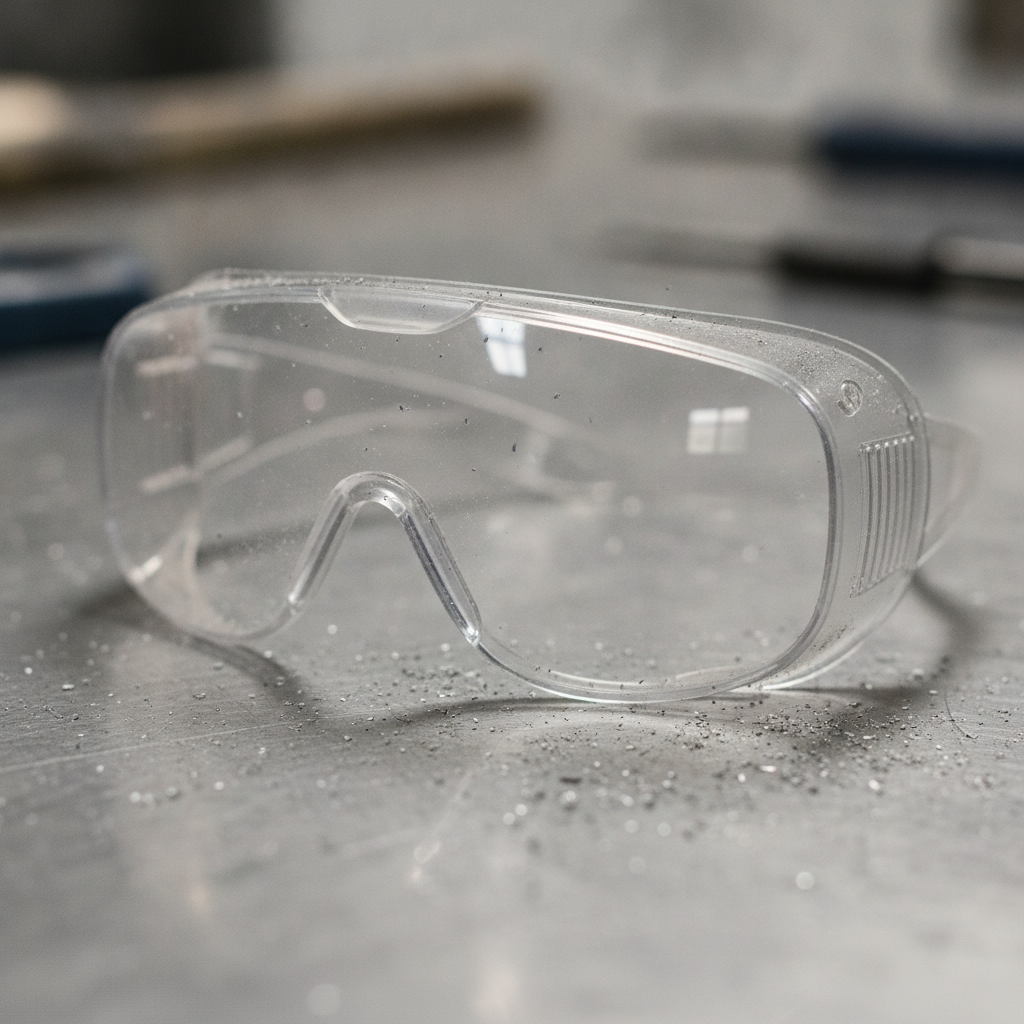
What Is a Safety Goggles Sign?
A safety goggles sign is a standardized visual instruction that alerts people that eye protection is required in a specific zone. It uses consistent colors, symbols, and wording so workers recognize the mandate quickly and comply before entering the area.
Put simply, a safety goggles sign tells people to wear eye protection—no guesswork. Effective signs use clear headers (such as DANGER, WARNING, or CAUTION where appropriate), a recognizable eye-protection symbol, and concise wording (for example, “Eye Protection Required”). In high-traffic aisles, legibility at distance is critical. A common rule of thumb is 1 inch of text height for every 25 feet of viewing distance to support fast recognition.
In our experience designing industrial signage, consistent iconography and plain-language commands reduce hesitation at entry points. When signs look alike across departments, workers build automatic behaviors: stop, check PPE, enter only when compliant. That repetition is what prevents eye injuries from flying chips, splashes, dust, and arc flash exposure.
Why Safety Goggles Signs Matter
Safety goggles signs reduce preventable eye injuries, align facilities with U.S. safety rules, and speed inspections. Clear, durable signs at every entry point lift PPE compliance rates and remove ambiguity for contractors, new hires, and visitors.
Eye protection breakdowns are often near-miss multipliers. One unsecured cutting station, one unmarked decanting area, or one forgotten maintenance bay can create dozens of risky entries per day. Facilities that standardize mandatory PPE signage at each threshold shrink those exposures significantly and tighten daily discipline.
- Fewer injuries, fewer interruptions. A single foreign-object incident can halt a line and trigger medical evaluation, cleanups, and reports—consuming hours of productive time.
- Clarity for everyone. Contractors and visitors don’t know your processes. A bold sign at eye level replaces verbal briefings with an unmistakable instruction.
- Audit readiness. Inspectors look for consistent signage, material durability, and logical placement. Uniform “Eye Protection Required” notices close easy findings.
- Culture reinforcement. When PPE messages are always visible and consistent, people build automatic compliance—especially in zones with flying particles, chemical splash, or arc hazards.
Here’s the thing: ambiguous, faded, or inconsistent signs lead to hesitation. Hesitation leads to shortcuts. Shortcuts lead to incidents. Crisp, durable, and consistent signage interrupts that chain in seconds.
How a Safety Goggles Sign Program Works
A strong program maps hazards, defines required PPE by zone, standardizes sign designs and placements, then audits for visibility and condition. Treat it as a lifecycle: assess, design, install, train, inspect, and improve.
Rolling out safety goggles signs isn’t just hanging plates on walls. It’s a lifecycle with ownership and checkpoints so compliance improves quarter over quarter.
- Assess hazards by zone. Identify cutting, grinding, mixing, welding, chemical transfer, and battery charging areas. Document entry points and typical approach paths.
- Define required PPE. Clarify when goggles, face shields, or sealed chemical splash goggles are mandatory; note exceptions and adjacent PPE (gloves, hearing protection).
- Standardize designs. Use consistent headers, colors, and the same eye-protection symbol across all departments for instant recognition.
- Set placement rules. Mount at 60–66 inches centerline where possible; keep signs square to traffic flow; use the 1 in/25 ft legibility rule as a planning guide.
- Install and verify. Inspect sightlines under real lighting, day and night. Confirm nothing blocks the sign at approach or when doors are open.
- Train and reinforce. Add signage points to toolbox talks and contractor orientations. Require supervisors to model compliance.
- Inspect and improve. Add signs to monthly EHS inspections; flag fading, damage, or misplaced notices; replace like-for-like fast to maintain uniformity.
In our projects, teams that document approach paths and simulate shift changes during installation catch most visibility issues up front. That planning pays off in fewer re-installs and smoother audits.
Types, Formats, and Approaches
Choose sign headers to match hazard level, materials to match environment, and mounting to match traffic and surfaces. Combine permanent rigid signs at entries with supplemental labels and floor markers to reinforce the message.
Different work zones call for different combinations. The goal is visual redundancy without clutter: a primary mandatory sign at the threshold, plus supportive cues on doors, gates, or equipment where eyes naturally go.
Sign headers and when to use them
| Header | Typical risk level | Use case | Color banding (commonly used) |
|---|---|---|---|
| DANGER | Imminent hazard | High-energy cutting, explosive dust, severe chemical splash | Red/white/black |
| WARNING | Serious hazard | Grinding bays, hot work, corrosive handling | Orange/black |
| CAUTION | Moderate hazard | General fabrication, packaging lines with debris | Yellow/black |
| NOTICE / MANDATORY | Policy/required action | Facility policy zones, labs, test areas | Blue/white (commonly) |
Formats and materials
- Rigid aluminum or plastic plates: Best for permanent entries; resist UV, moisture, and chemicals.
- Adhesive labels and stickers: Ideal for equipment, machine guards, and temporary barriers.
- Magnetic or hook-mount: Useful for modular lines or seasonal processes.
- Floor markers and door decals: Reinforce the message where eyes and hands go during entry.
Mounting approaches
- Single-threshold, double-cue: One primary sign at the latch side plus a secondary cue on the door or gate panel.
- Multi-approach corridors: Duplicate on both sides of the approach; angle signs toward traffic for earlier recognition.
- Open production areas: Use stanchions or overhead beams to create a clear “line” for PPE requirements.
For a ready-to-use option, see VisionMarker’s Safety Goggles Mandatory and Eye Protection Mandatory sign designs built for harsh industrial environments.
Design and Placement Best Practices
Design signs for instant recognition: consistent headers, a clear eye-protection pictogram, high-contrast colors, concise wording, and legible text sized for viewing distance. Place at 60–66 inches centerline, square to traffic, and free of obstructions.
Great safety signage is equal parts graphic clarity and field execution. Keep the design simple, then obsess over visibility in real conditions: glare, shadows, open doors, stacked pallets, and moving equipment.
Design principles that drive compliance
- Consistency: Use one pictogram style across the site so workers build “pattern memory.”
- Legibility: Use the 1 in/25 ft guideline for letter height; prefer sentence case commands (e.g., “Wear Safety Goggles”).
- Contrast: Choose backgrounds and borders that pop in your ambient lighting.
- Conciseness: 3–7 word commands are read in under two seconds by most users.
- Durability: UV-stable inks and chemical-resistant substrates preserve color and readability.
Placement rules you can apply today
- Height and angle: Mount at eye level, centered 60–66 inches, square to the approach so messages face incoming traffic.
- Distance planning: Size text for actual approach distance; longer hallways need larger type.
- No visual noise: Keep competing notices at least 12 inches away; cluster related PPE requirements together.
- Reinforce at the point of risk: Add smaller labels on guards, hoods, and equipment panels near the hazard source.
Need a durable, high-contrast option fast? VisionMarker’s Caution—Wear Safety Goggles design ships on tough materials engineered for UV, moisture, and chemical resistance.

Tools and Resources
Standardize with proven sign families, label and sticker sets, and complementary hazard markings. Use checklists and monthly inspections to keep signs visible, legible, and consistent across the plant.
Teams move faster with curated sign sets and reference material. Build your toolkit so new cells, contractors, and audits don’t slow production.
- Sign families and PPE sets: Align headers, colors, and icons for Eye, Hand, Face, and Hearing protection zones for visual consistency.
- Labels & stickers: Reinforce at machines and guards; standardize phrasing and icon use.
- Hazard markings: Pair signage with floor tape, caution stripes, and hashed boundaries to define PPE lines.
- Inspection checklist: Include visibility, damage, fade, obstruction, correct header, correct placement, and correct language.
For deeper context on modern layouts and message hierarchy, review our ANSI Z535 quick guide and our broader warning sign primer that explains headers and color meanings used across the USA. For zone demarcation strategy, see our hazard markings guide.
Want to compare goggle styles for training slides or toolbox talks? Browse visual examples of clear-lens eyewear here: anti-scratch clear lens, anti-fog clear lens, and gray smoke lens.
Case Studies and Examples
Real facilities improve compliance fastest by standardizing designs, tightening placements, and reinforcing at the point of risk. These snapshots show how consistent “Eye Protection Required” messaging reduces near-misses and makes audits smoother.
Metal fabrication line upgrade
A fabrication cell added primary threshold signs plus secondary decals on machine guards. Supervisors led with “goggles on before gate” coaching for two weeks. Result: fewer stoppages tied to foreign-object concerns and faster onboarding for floaters rotating into the cell.
Chemical transfer corridor
An operations team mapped approach paths and installed higher-mounted, glare-free signs near mixing stations. They added small labels on drum pumps and eyewash stations. The outcome was a visible lift in voluntary compliance observed during three consecutive shift audits.
High-bay warehouse
A distribution center integrated eye protection signs at mezzanine stairwells and battery charging zones. Floor markings established a clear line for PPE. Forklift spotters reported improved predictability as pedestrians consistently donned goggles before entering the hot aisle.
Utilities maintenance shop
A shop consolidated mixed, aging notices into a single, consistent set. After replacement, supervisors reported fewer “Is this a goggles zone?” questions from contractors, saving minutes at each entry and improving audit scoring on signage consistency.
Frequently Asked Questions
These short answers address the most common questions about selecting, placing, and maintaining safety goggles signs in industrial environments across the USA.
Where should a safety goggles sign be placed?
Place it at every entry to the risk zone, centered 60–66 inches from the floor, square to the approach, and visible from the normal walking path. Add smaller decals on equipment near the hazard source to reinforce the message.
What wording belongs on the sign?
Use concise commands such as “Eye Protection Required” or “Wear Safety Goggles.” Pair the text with a clear eye-protection symbol and a header that matches the hazard level (for example, DANGER, WARNING, or CAUTION).
How big should the text be?
Plan for quick recognition at distance. A practical rule is 1 inch of letter height for every 25 feet of viewing distance. Size up for longer corridors or where sightlines are partially blocked.
Which materials last in harsh environments?
Choose UV-stable inks on aluminum or industrial plastics that resist moisture and common chemicals. In wet or washdown areas, prefer smooth, sealed surfaces and rounded corners to prevent peeling.
Conclusion and Key Takeaways
Make eye protection non-negotiable: standardize designs, place signs where people actually look, and reinforce at the hazard source. Treat signage as a lifecycle—assess, design, install, train, and audit—to keep compliance high all year.
- Standardize the look: One pictogram style and header scheme across the site.
- Place for visibility: Eye-level, square to traffic, sized for distance.
- Reinforce at the source: Use labels and decals on guards and equipment.
- Inspect monthly: Fix fading, damage, and obstructions immediately.
- Use durable materials: UV-, moisture-, and chemical-resistant substrates preserve legibility.
Need compliant, durable eye protection signs fast? VisionMarker designs and manufactures ANSI-informed, industrial-grade signage for USA facilities. Explore our Safety Goggles Mandatory options or our broader warning sign guidance to plan your rollout.
{
“@context”: “https://schema.org”,
“@type”: “Article”,
“headline”: “Safety Goggles Signs: Protect Your Team in 2026 Guide”,
“description”: “Complete guide to safety goggles signs: definitions, headers, design, placement, and program rollout for industrial facilities in the USA.”,
“datePublished”: “2026-06-29”,
“dateModified”: “2026-06-29”,
“mainEntityOfPage”: {
“@type”: “WebPage”,
“@id”: “https://visionmarker.com/safety-goggles-sign”
},
“author”: {
“@type”: “Person”,
“name”: “VisionMarker”,
“url”: “https://visionmarker.com/”,
“jobTitle”: “Industrial Safety Signage Specialist”,
“knowsAbout”: [
“industrial signage”,
“PPE required signs”,
“ANSI Z535”,
“NFPA 170”,
“ASME A13.1”
]
},
“publisher”: {
“@type”: “Organization”,
“name”: “VisionMarker”,
“url”: “https://visionmarker.com/”,
“logo”: {
“@type”: “ImageObject”,
“url”: “https://visionmarker.com/wp-content/uploads/2023/09/logo_visionmarker_header.png”,
“width”: 512,
“height”: 128
}
},
“image”: [
{
“@type”: “ImageObject”,
“url”: “https://res.cloudinary.com/dmboo1nu1/image/upload/v1782699750/ai-images/ntkhqhs8w2dm1qarigdl.png”,
“width”: 1200,
“height”: 630,
“caption”: “Industrial manufacturing floor with workers wearing safety goggles and PPE”
},
{
“@type”: “ImageObject”,
“url”: “https://res.cloudinary.com/dmboo1nu1/image/upload/v1782699749/ai-images/aw2bflnrjxtxaonlfgld.png”,
“width”: 1200,
“height”: 630,
“caption”: “Close-up safety goggles on metal workbench used in signage program planning”
},
{
“@type”: “ImageObject”,
“url”: “https://res.cloudinary.com/dmboo1nu1/image/upload/v1782699751/ai-images/tmi09nt88tko8yefgzsf.png”,
“width”: 1200,
“height”: 630,
“caption”: “Technician wearing safety goggles operating a valve near piping”
}
],
“keywords”: [
“safety goggles sign”,
“eye protection required sign”,
“industrial signage”,
“ANSI certified signs”
],
“speakable”: {
“@type”: “SpeakableSpecification”,
“cssSelector”: [
“.featured-snippet-answer”,
“.faq-answer”
]
}
}
{
“@context”: “https://schema.org”,
“@type”: “ProfilePage”,
“mainEntity”: {
“@type”: “Person”,
“name”: “VisionMarker”,
“url”: “https://visionmarker.com/”,
“description”: “North American provider of industrial labeling and signage solutions dedicated to workplace health and safety.”,
“sameAs”: [
]
}
}
{
“@context”: “https://schema.org”,
“@type”: “FAQPage”,
“mainEntity”: [
{
“@type”: “Question”,
“name”: “Where should a safety goggles sign be placed?”,
“acceptedAnswer”: {
“@type”: “Answer”,
“text”: “Place it at every entry to the risk zone, centered 60–66 inches from the floor, square to the approach, and visible from the normal walking path. Add smaller decals on equipment near the hazard source to reinforce the message.”
}
},
{
“@type”: “Question”,
“name”: “What wording belongs on the sign?”,
“acceptedAnswer”: {
“@type”: “Answer”,
“text”: “Use concise commands such as “Eye Protection Required” or “Wear Safety Goggles.” Pair the text with a clear eye-protection symbol and a header that matches the hazard level (for example, DANGER, WARNING, or CAUTION).”
}
},
{
“@type”: “Question”,
“name”: “How big should the text be?”,
“acceptedAnswer”: {
“@type”: “Answer”,
“text”: “Plan for quick recognition at distance. A practical rule is 1 inch of letter height for every 25 feet of viewing distance. Size up for longer corridors or where sightlines are partially blocked.”
}
},
{
“@type”: “Question”,
“name”: “Which materials last in harsh environments?”,
“acceptedAnswer”: {
“@type”: “Answer”,
“text”: “Choose UV-stable inks on aluminum or industrial plastics that resist moisture and common chemicals. In wet or washdown areas, prefer smooth, sealed surfaces and rounded corners to prevent peeling.”
}
}
]
}