Canada

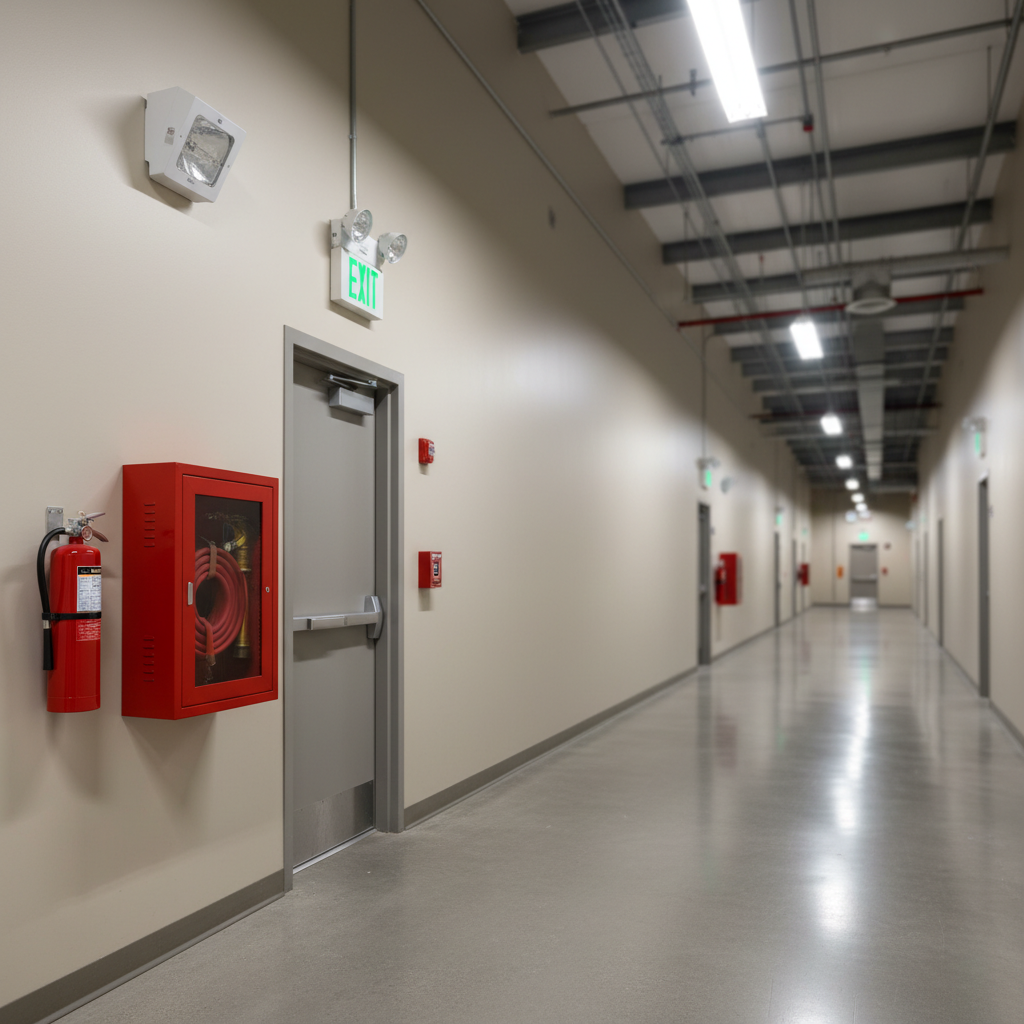
Fire safety products are the detection, suppression, egress, and communication tools—like alarms, extinguishers, signage, and emergency lighting—that prevent, control, and guide response to fires in U.S. workplaces. Selecting compliant equipment and maintaining it on schedule reduces risk, speeds evacuation, and protects people and assets across the local area and nationwide.
By VisionMarker — Last updated: 2026-06-13
Above-Fold: Why this guide and what you’ll get
This complete guide explains how modern fire safety products work together—alarms, extinguishers, signage, and lighting—to reduce risk and support safe evacuation. You’ll learn what to buy, how to place and maintain it, and how ANSI/NFPA/ASME-aligned signage from VisionMarker closes critical communication gaps.
Fire moves fast. Clear communication and reliable equipment buy you time. This guide is built for facility managers, EHS leaders, maintenance teams, and operations pros who need standards-aligned answers—fast.
- What fire safety products are and why they matter
- How detection, suppression, and egress systems interact
- Which product types to prioritize by risk and layout
- Placement, inspection, and training best practices
- Standards overview (NFPA 170, ASME A13.1, ANSI)
- Tools, checklists, and examples from real facilities
Overview
- Audience: U.S. industrial plants, warehouses, utilities, construction, and commercial facilities
- Focus: Practical selection, placement, and signage integration
- Outcome: Faster decisions, stronger compliance, safer evacuations
Table of contents
- What are fire safety products?
- Why they matter
- How the system works
- Types and selection
- Best practices
- Tools & resources
- Case studies
- FAQ
- Key takeaways
- Conclusion & next steps
What Are Fire Safety Products?
Fire safety products are hardware and visual communication tools designed to detect fire, suppress flames, enable safe egress, and coordinate emergency response. They include alarms, extinguishers, sprinklers, emergency lighting, exit signs, and NFPA 170 fire safety symbols that guide people to equipment and routes fast.
Think of your facility’s protection as a chain of interacting components. The chain starts with detection, adds suppression, then relies on lighting and signage to direct people to exits and equipment. Finally, post-incident visibility supports cleanup and investigation.
- Detection: Smoke and heat sensors, alarm panels, pull stations.
- Suppression: Extinguishers (ABC, K, D), sprinklers, hose cabinets.
- Egress: Exit signs, photoluminescent path marking, emergency lights.
- Communication: NFPA 170 symbols, fire extinguisher location signs, do-not-block markers, restricted access and warning sign families.
- Identification: Pipe markers per ASME A13.1 to call out fire water, foam, or inert gas lines.
VisionMarker focuses on the visual layer—industrial signage, labels, and stickers—engineered for durability and compliance. When your lights and alarms activate, signs and markers do the quiet work of pointing people to the right action at the right time.
Why Fire Safety Products Matter
The right fire safety products minimize confusion, speed evacuation, and prevent minor incidents from becoming major losses. Reliable equipment and ANSI/NFPA-aligned signage reduce human error, improve first-response actions, and help facilities demonstrate due diligence and compliance.
In our experience with industrial and commercial sites across the USA, most fire events are decided in the first moments. Alarms must be heard, exits must be obvious, and equipment must be reachable. If people hesitate because a sign is missing or faded, precious seconds slip away.
- Compliance confidence: Standards-aligned products signal organizational care and preparedness.
- Operational continuity: Fast containment shrinks downtime and post-incident disruption.
- Human factors: Clear visual cues counter stress-driven mistakes during alarms.
- Documentation: Consistent labels and markers support incident reviews and training.
VisionMarker designs signage systems to stand up to UV, moisture, and chemicals. That matters in warehouses, utilities, manufacturing, and construction, where harsh conditions quickly degrade low-grade materials.
How Fire Safety Products Work Together
Fire protection works as a connected system: detect the hazard, alert occupants, illuminate exits, direct movement with symbols, and apply suppression early. Correct placement and maintained signage ensure people recognize equipment and routes instantly—even under stress and low visibility.
Here’s a simple, end-to-end view you can adapt to any facility layout.
| Stage | Primary Action | Supporting Products | Signage & Marking |
|---|---|---|---|
| Detect | Identify smoke/heat | Detectors, panels, pull stations | Alarm pull station markers; panel ID labels |
| Alert | Notify occupants | Audible/visual alarms | Instructional signs; strobe area notices |
| Illuminate | Light key routes | Emergency lights, exit signs | Photoluminescent arrows; door hardware labels |
| Direct | Guide movement | NFPA 170 symbol signs | Directional signage; do-not-block and keep-clear |
| Suppress | Control flame | Extinguishers, hose cabinets | Equipment ID; class/type markers; inspection tags |
| Stabilize | Prevent re-ignition | Fire watch tools | Restricted and prohibited area signs |
For industrial piping, identification is its own safety layer. ASME A13.1 color bands and flow arrows help responders trace fire water or foam lines without guesswork. That’s why our pipe markers are engineered to remain legible under UV, moisture, and chemical exposure.
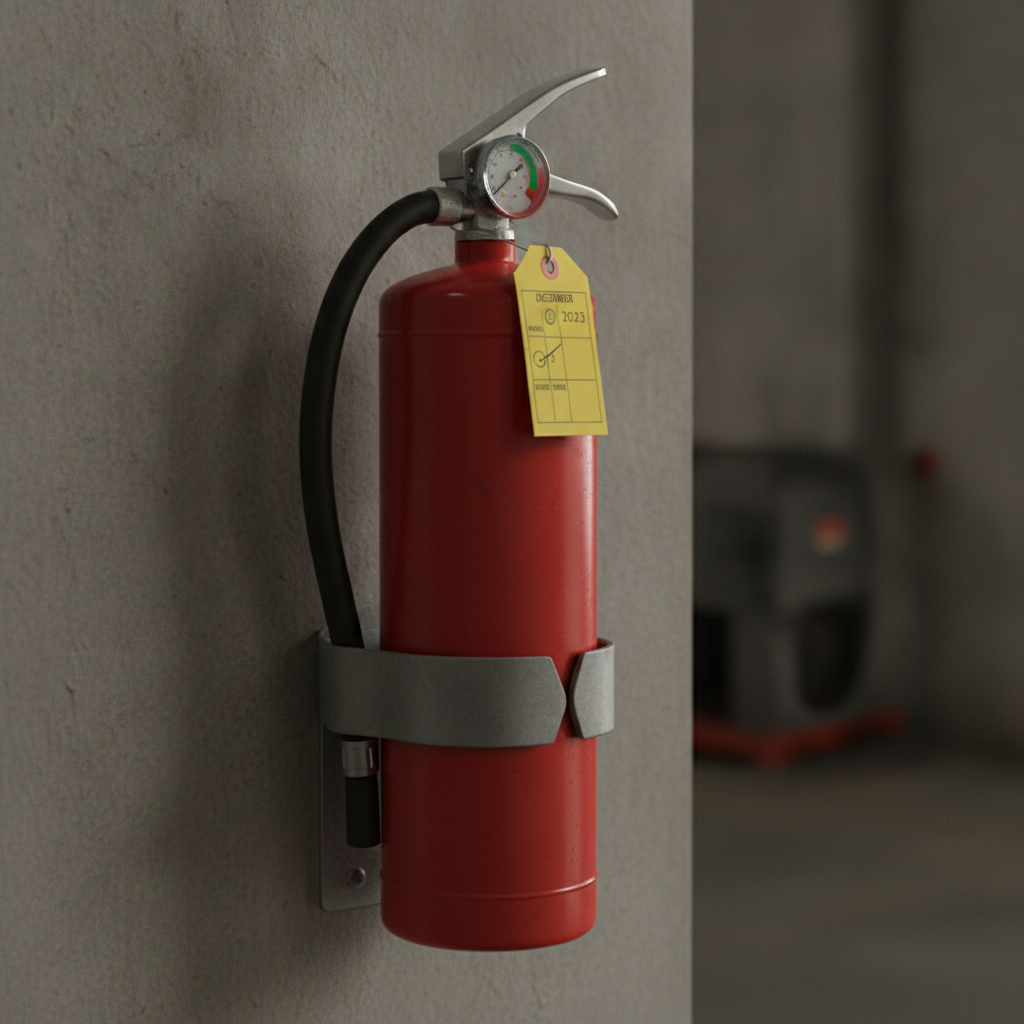
Alarms and lights get attention. But signage makes action obvious: pull here, lift cover, use this class of extinguisher, keep this zone clear. In drills and real events, clarity reduces delays and pileups at doors and stairwells.
Types of Fire Safety Products (Hardware + Signage)
Prioritize layered protection: alarms to detect, lighting and exit signs to move people, extinguishers and hose cabinets to fight incipient fires, and NFPA 170 signage to direct action. Pair hardware with durable, ANSI-aligned signs and labels so no one has to guess during an alarm.
Detection and alarm
- Smoke/heat detectors: Networked to panels for fast notification.
- Manual pull stations: Mounted on egress paths; clearly labeled with NFPA symbols.
- Audible/visual alarms: Horns and strobes to reach noisy areas.
Suppression
- Portable extinguishers: Match hazards (A/B/C, K for kitchen, D for metals). Ensure extinguisher identification and “Do Not Block” signage are visible from approach lines and kept clear with floor or wall markers. See our do-not-block sign for high-traffic areas.
- Hose cabinets & reels: Place near hazard concentrations; pair with bold cabinet markers.
Egress and lighting
- Exit signs and emergency lights: Illuminate doors, stairs, and long aisles. Photoluminescent arrows help when power fails.
- Door hardware markers: “Keep Clear,” “Push to Open,” and directionals reduce hesitation at exits.
Fire protection signage
- NFPA 170 symbol signs: Standardized icons for extinguishers, hoses, alarms, and assembly points. Explore our fire signage guide for symbol selection and placement tips.
- Prohibited and restricted area signs: Control access and support post-incident cordons; see our prohibited area sign guide.
- Pipe markers: Identify fire water and suppression media per ASME A13.1.
Where signage closes the gap
- Line-of-sight: Taller racks and machinery block views; high-contrast, ANSI-aligned signs recover visibility.
- Human performance: Under stress, simple symbols beat dense text. NFPA 170 icons speak faster than words.
- Durability: VisionMarker materials resist UV, moisture, and chemicals, so wayfinding holds up in tough conditions.
Browse VisionMarker’s Fire Protection category for equipment markers and standardized symbol sets tailored to U.S. facilities.
Best Practices: Selection, Placement, Inspection, Training
Select for your hazards, place for line-of-sight, inspect on a fixed cadence, and train with the actual equipment and signs people will use. Document everything. Durable, ANSI-aligned signage ensures clarity when alarms sound and helps teams pass audits with confidence.
Selection
- Map hazards to product types: Flammables warrant ABC or specialized extinguishers; kitchens require K-class; metalworking may require D-class.
- Standard alignment: Use NFPA 170 symbols and ASME A13.1 pipe markers to match U.S. expectations and training.
- Environment: Outdoor and washdown zones demand UV- and moisture-resistant materials—VisionMarker’s specialty.
Placement
- Maintain clear approach: Use “Do Not Block” and floor striping where forklifts and pallets congest.
- Height and angle: Mount signs where a person’s natural gaze will catch them down a corridor or across an aisle.
- Redundancy: If one sign can be obscured, add a second marker or ceiling-hung banner.
Inspection and maintenance
- Calendar it: Build monthly visual checks for damage, fading, or obstruction; record results.
- Tagging: Keep extinguisher inspection tags legible and up to date; replace cracked holders.
- Event-driven updates: After layout changes or incidents, re-validate sightlines and signage coverage.
Training
- Hands-on drills: Practice with the real equipment and symbols in your building, not generic stock photos.
- Role clarity: Assign evacuation wardens and alternates; post assembly-point signage.
- Micro-refresher: Five-minute toolbox talks keep awareness high without overloading calendars.
For facilities integrating electrical safety programs, standards comprehension helps reduce ignition risks. Pair internal SOPs with credible external guidance, and stock durable, ANSI/NFPA-aligned signage so your visual system matches training and audit expectations.
- VisionMarker guides: Start with our practical fire signage guide to align symbols, sizes, and placements.
- Product navigation: Explore ready-to-deploy markers in the Fire Protection category, including extinguisher and cabinet identifiers.
- Keep-clear systems: Deploy Do Not Block signage where congestion is chronic.
- Restricted access control: Use our prohibited area sign guide to manage cordons during and after incidents.
- External context: Commercial kitchens face unique ignition sources; Robin Hood Cleaners highlights how exhaust system upkeep lowers fire risk—a reminder to link maintenance with signage and training.
- Material considerations: Building elements influence fire behavior; Dass Metal discusses fire-resistant steel—useful background when reviewing compartmentation and egress strategies.
Need help translating standards into a workable sign plan? Our team supports quick-turn layouts that map NFPA 170 symbols to your real floor plan and align pipe markers with ASME A13.1 color bands.
Case Studies & Practical Examples
Real facilities win with simple, durable visual systems: clear equipment IDs, unmissable egress routes, and enforced keep-clear zones. These examples show how pairing hardware with VisionMarker signage reduces hesitation and shortens evacuation times during drills and real alerts.
High-bay distribution center
- Challenge: 30-foot racking blocked sightlines to extinguishers and exits.
- Action: Added oversized NFPA 170 extinguisher symbols at cross-aisles; applied floor striping and Do Not Block wall markers.
- Result: During drills, teams reached equipment faster and exit queues thinned as routes became obvious from deep in the aisles.
Manufacturing cell with flammable liquids
- Challenge: Confusion about which extinguisher class to use near solvents.
- Action: Installed class-specific extinguisher ID signs and inspection tags; refreshed cabinet and pull station labels using NFPA 170 icons from our Fire Protection lineup.
- Result: Operators selected the correct extinguishers during supervised trainings without prompting.
Utility substation egress refresh
- Challenge: Poor lighting and weather exposure degraded outdoor exit markers.
- Action: Upgraded to UV- and moisture-resistant exit and directional signs; added ASME A13.1 pipe markers on fire water lines to aid responders.
- Result: Clearer night visibility and faster pathfinding during storm drills.
Healthcare supply warehouse
- Challenge: Mixed-occupancy space created confusion around restricted access during alarms.
- Action: Implemented prominent prohibited and restricted area markers; aligned with healthcare-oriented expectations often referenced in NFPA-99C contexts.
- Result: Better cordon discipline and simpler roll calls at assembly points.
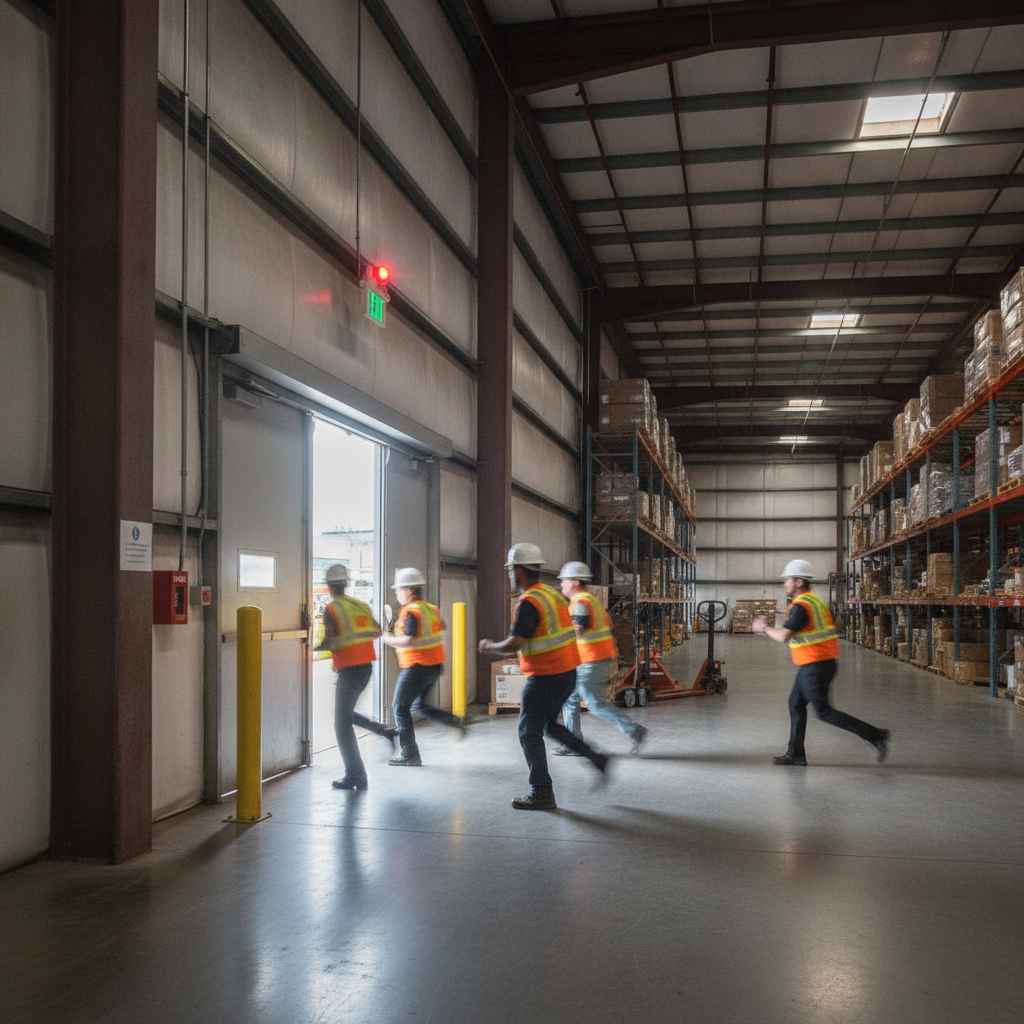
These wins aren’t complicated. Durable, standards-aligned visuals—paired with the right hardware—create predictable behavior when it matters most.
Field Checklists You Can Use Today
Standardize your walk-throughs with short, repeatable checks. Five minutes per zone, once a month, keeps small issues from piling up. Use signage and labels to close gaps the moment you see them.
- Equipment visibility: Can you spot extinguishers, pull stations, and exits from 50 feet down an aisle? If not, add larger symbols or repeaters.
- Obstruction scan: Any pallets, carts, or bins narrowing egress lanes or blocking equipment? Apply keep-clear signs and floor stripes.
- Condition check: Faded, cracked, or peeling markers? Replace with UV- and moisture-resistant stock.
- Tag review: Are extinguisher inspection tags current and legible? Swap holders if brittle.
- Pipe ID: Are ASME A13.1 colors and flow arrows visible at key decision points? Add supplemental markers where needed.
Electrical hazards are a frequent ignition source. A disciplined maintenance culture—including labeling and signage—reinforces safe behaviors across programs that touch both electrical and fire risk domains. See insights from Alpha 9 Solutions on the value of regularized testing and documentation.
Signage Standards at a Glance
Use NFPA 170 for universal fire symbols and ASME A13.1 for pipe marker colors, with ANSI principles guiding legibility and hazard communication. A consistent system reduces training overhead and aligns with U.S. regulator expectations during audits and incident reviews.
- NFPA 170: Standardized pictograms for fire safety equipment, actions, and routes—ideal for multi-lingual workforces.
- ASME A13.1: Color bands, text height, and flow arrows for piping systems, including fire water and suppression media.
- ANSI principles: Contrast, symbol clarity, signal words, and layout conventions that speed recognition.
Need help choosing symbols? Our fire signage guide walks through sizes, placements, and complementary markers for complex floor plans.
Frequently Asked Questions
Most facilities benefit from a layered approach: detect, alert, light, direct, and suppress—then document and improve. Hardware is essential, but clear signage turns alarms into action by removing guesswork when seconds matter.
What are the essential fire safety products for a warehouse?
Start with detection and alarms, emergency lights and exit signs, and the right extinguishers for your hazards. Add NFPA 170 symbol signage, do-not-block markers, and ASME A13.1 pipe markers. Together, these reduce confusion and speed evacuation.
How often should I inspect fire safety signage and labels?
Include signage and label checks in your monthly walk-throughs. Look for fading, peeling, obstructions, and changed sightlines after layout updates. Replace damaged items quickly so wayfinding remains obvious under stress and low light.
Which extinguisher class should my team use?
Match extinguisher classes to hazards: ABC for many solids and flammables, K for cooking oils and fats, D for combustible metals. Label cabinets and mounting points clearly so employees can choose the correct unit without hesitation.
Do I need pipe markers for fire water and suppression lines?
Yes—identification helps responders trace systems quickly. Use ASME A13.1 colors, text sizes, and flow arrows. Place markers where lines enter rooms, near valves, and at points where direction changes or pipes pass through walls.
Local considerations for your area
- Seasonal weather across U.S. regions can dim visibility. Choose reflective or photoluminescent markers for outdoor egress routes that see fog, snow, or dust.
- Holiday peak volumes in warehouses increase obstruction risk. Reinforce “Do Not Block” markers near extinguishers and exits before busy periods.
- Construction and utility sites change weekly. Reassess sign placement after every site layout shift to keep alarms, exits, and assembly points obvious.
Key Takeaways
Layered protection works best: detect and alert, light and direct, then suppress—supported by durable, ANSI/NFPA-aligned signage. Standardize checks, document updates, and train with the exact equipment and symbols people will see in your building.
- Hardware needs help from signage—symbols remove guesswork during alarms.
- Placement and line-of-sight matter as much as product selection.
- Durability isn’t optional in harsh, high-traffic environments.
- Monthly micro-inspections prevent small issues from compounding.
- Pipe markers and directional cues accelerate response and egress.
Conclusion & Next Steps
A reliable fire protection program blends the right hardware with unmissable visual communication. Start with a quick survey, close visibility gaps with durable signage, and schedule short, recurring checks. The payoff is faster action when seconds matter.
- Walk your egress paths today and note any blocked or hidden equipment.
- Standardize symbols and sizes using our fire signage guide.
- Outfit equipment and routes from the Fire Protection category.
- For specialized hazards, add class-specific identifiers and pipe markers.
- Have questions? Call us at +1 877 661-5539 for a quick signage mapping consult.
Related Articles
Stronger fire protection depends on consistent, standards-aligned visuals. Explore these resources to round out your plan and reinforce safe behavior across your facility.
Dig into symbol selection with our fire signage guide, and reinforce access control using the patterns in our prohibited area sign guide—both crucial companions to hardware and training.