Canada

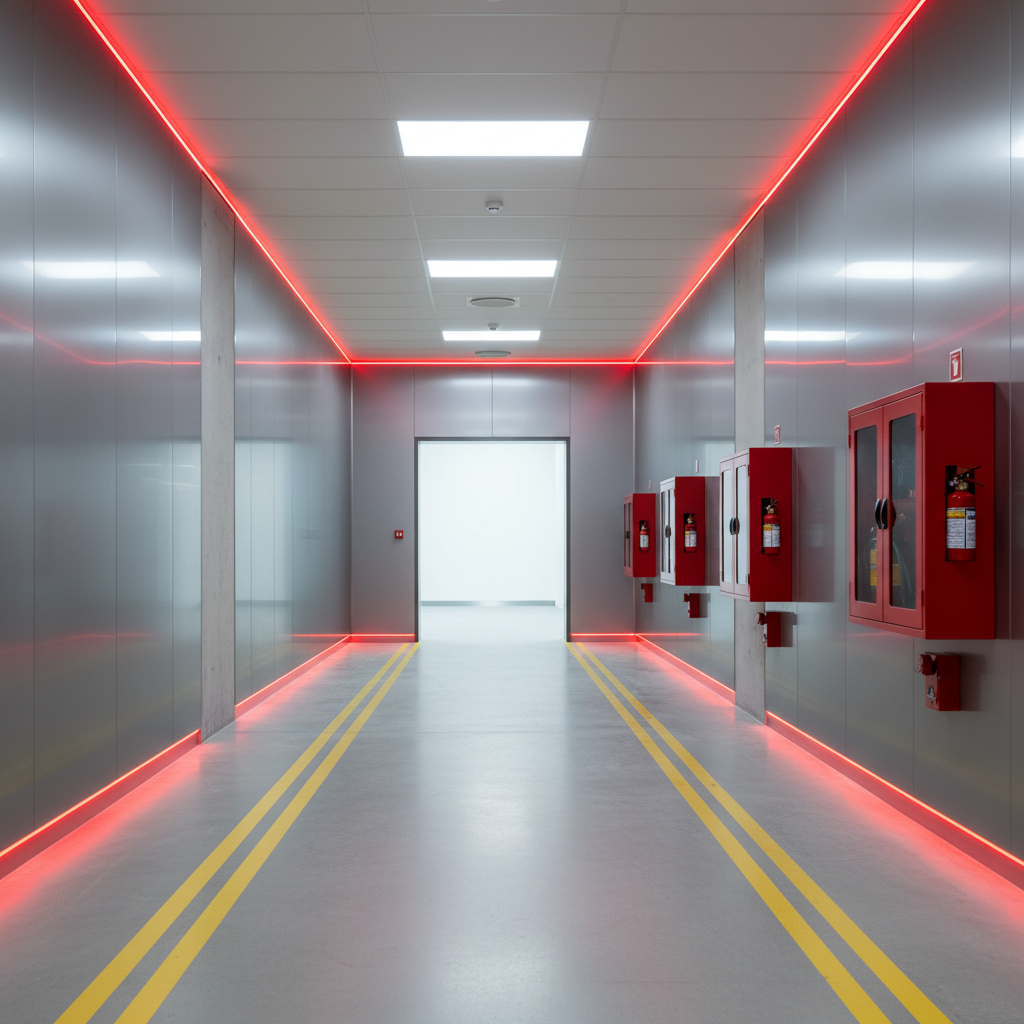
Fire signage is the standardized system of exit, equipment, and emergency instruction signs that guide people to safety during a fire. In the United States, compliant fire signage uses consistent symbols, colors, and placements so anyone can find exits, alarms, and extinguishers fast. For VisionMarker’s customers, it’s the backbone of practical, code‑aligned emergency planning.
By VisionMarker • Last updated: 2026-06-11
Above the Fold: What This Guide Covers
This complete guide explains how to plan, place, and maintain fire signage so people exit faster and safer. You’ll learn the must‑have sign types, proven placement rules, material choices, and upkeep rhythms—plus field examples and checklists you can use in U.S. industrial and commercial facilities.
Use this as a practical, standards‑informed playbook for your facility, whether you manage an industrial plant, a warehouse, a utility site, a construction project, or a multi‑building campus. Our focus: simple steps that scale across the United States and align with your emergency action plan.
- What fire signage is and how it works as a system
- Why it matters for evacuation speed, inspections, and training
- Sign types, where each belongs, and how to size them
- Durable materials for harsh environments and low‑light conditions
- Project steps, maintenance cadence, and audit documentation
Quick Summary
Fire signage points people to exits, marks equipment, and protects egress routes from being blocked. A strong program maps routes, standardizes symbols, uses durable materials, and documents inspections. Start with high‑risk areas, fix obvious gaps, then phase upgrades site by site to keep momentum.
Here’s the high‑level flow: map the building, choose a consistent symbol set, place signs where decisions happen, verify sightlines, and keep a log for replacements. Many teams pair wall signs with floor and door markings to make behavior unmistakable under stress and low light.
Local considerations for your area
- Plan for seasonality: in winter, doors and dock curtains can obscure exit arrows; check visibility monthly during peak shipping periods.
- Account for U.S. holiday surges: temporary racking and pallets often creep into egress paths—use bold “keep clear” cues and floor tape.
- Coordinate contractors: when construction phases shift walls or staging, require temporary route signs and “do not block” markers at new pinch points.
What Is Fire Signage?
Fire signage is a coordinated set of symbols, colors, and markings that identify egress routes, fire equipment, and emergency procedures. It includes exit signs, directional arrows, fire extinguisher identifiers, fire door notices, evacuation maps, and floor markings that guide occupants quickly to safety.
Think of it as a visual operating system for emergencies. When alarms sound and visibility drops, people scan for simple cues. That’s why symbol‑based signs, consistent arrow logic, and unblocked sightlines matter. In our experience, facilities that treat signage as a system—rather than a pile of decals—get faster, calmer evacuations and cleaner inspections.
- Egress markers: exit identifiers, direction arrows, stair icons, and level indicators.
- Equipment IDs: fire extinguishers, hose reels, pull stations, sprinkler risers, valves.
- Instructional cues: “In case of fire, use stairs,” “Fire door—keep closed,” and keep clear at exits.
- Route reinforcement: floor tape, hazard stripes, and door placards that match wall symbols.
- Maps and assembly: posted evacuation diagrams and outdoor muster point indicators.
VisionMarker supports this system end‑to‑end with durable, ANSI‑aligned signs for industrial and commercial use across the U.S. and Canada, including fire protection signage and complementary warning sign options for broader hazard communication.
Why Fire Signage Matters
Reliable fire signage reduces time‑to‑exit, prevents blocked doors and aisles, and helps inspectors verify that equipment and routes are clearly marked. In drills and real events, consistent symbols cut hesitation, so people move sooner and with fewer wrong turns.
Emergencies compress decision time. Under smoke or stress, occupants use landmarks and lights. Clear arrows at intersections, obvious equipment IDs at approach distance, and “do not block” cues at doors remove second‑guessing. We’ve seen well‑signed facilities shave measurable seconds off drill times after adding mid‑corridor confirmation arrows and photoluminescent markers.
- Faster decisions: directional arrows and repeated confirmations lower the chance of backtracking.
- Fewer obstructions: doors labeled “keep clear” stay accessible, especially at docks and staging areas.
- Better recall: daily exposure to signs reinforces training, so drills feel familiar rather than new.
- Audit readiness: a documented inventory proves routes and equipment are marked and maintained.
Fire risk isn’t only open flame. Heat sources, energized equipment, and cooking exhaust all add to the picture. Industry resources on electrical maintenance and exhaust fire hazards show why layered controls—signage included—matter across departments. See context in this electrical maintenance guide and a note on kitchen exhaust fire risk.
How Fire Signage Works as a System
A fire signage system connects exits, routes, and equipment with consistent symbols and predictable sightlines. Place signs where choices are made, reinforce with floor markings, and choose materials that remain legible in smoke, moisture, and low light.
Design in layers so each one backs up the others:
- Strategic layer: define your egress strategy, symbol set, and language needs.
- Tactical layer: map decision points, run line‑of‑sight checks, and repeat cues along long corridors.
- Technical layer: specify sizes, luminance, reflectivity, and mounting hardware for each surface.
- Operational layer: inspect monthly, replace promptly, and document changes after layout shifts.
Two simple rules drive most wins: 1) at every intersection, an arrow should tell you what’s next; 2) from any occupied area, you should see either a final exit sign or a next‑step arrow. When those are true, hesitation drops and routes feel obvious.

Types of Fire Signage (And Where Each Belongs)
Use exit identifiers, directional arrows, equipment IDs, instructional placards, and maps together. Place them at decision points, doorways, along corridors, and near equipment so every sign answers one question: “Where next?” or “What is here and how to use it?”
Core categories
- Exit and egress: final “EXIT,” intermediate arrows, stair icons, level/roof indicators.
- Equipment ID: fire extinguisher markers, hose cabinets, pull stations, risers and valves.
- Instructional: “In case of fire, use stairs”, “Fire exit—keep clear”, “Fire door—keep closed.”
- Route reinforcement: floor arrows and hazard stripes that match wall logic.
- Plans and muster: posted evacuation maps, outdoor assembly markers, and accountability boards.
Placement guidance
- At each corridor junction, put the next‑step arrow at eye height with no visual clutter.
- Over equipment, mount the ID above normal approach lines so the symbol is visible from 25–50 feet.
- At doors, pair the wall sign with a door placard and floor boundary to keep the swing area clear.
- In stairwells, repeat level indicators and direction cues at landings to cut confusion.
VisionMarker’s catalog aligns this mix with durable materials that hold up to UV, moisture, and chemicals, reducing rework and keeping your program intact between audits.
Standards and Codes to Align With
Align to a recognized symbol set and consistent formatting so your program is understandable site to site. Many U.S. facilities reference widely adopted symbol conventions and pipe identification practices to keep fire water and life‑safety markings clear.
Your Authority Having Jurisdiction (AHJ) determines what’s adopted locally. Still, teams benefit from using consistent fire‑safety pictographs, clear pipe labels for standpipes and sprinkler mains, and standard color/shape rules for hazard communication. Electrical rooms, for example, often coordinate signage with safe‑work practices discussed in this overview of switchgear testing and safe work.
- Fire safety symbols: standardized pictographs help non‑native speakers and visitors act fast.
- Piping identification: label fire water and sprinkler piping so responders locate controls quickly.
- Instruction formats: consistent colors and shapes improve scanning speed.
- Healthcare nuances: medical gas labeling and restricted equipment access add layers in hospitals.
Need reference artwork for training or toolbox talks? VisionMarker offers symbol resources, including an NFPA symbol reference product page you can review while planning.
Fire Signage Best Practices (Field‑Tested)
Audit sightlines from every occupied area, standardize your symbol vocabulary, choose durable materials, and document everything. Verify low‑light legibility, protect routes with “do not block” cues, and pair wall signs with floor tape so behavior is unmistakable.
Design and placement
- Stand where people decide and check what they can see—move the sign, not the person.
- Repeat confirmations every long span so no one walks 100 feet without reassurance.
- Reserve prime real estate at intersections; avoid cluttered walls that mask arrows.
Materials and durability
- Use photoluminescent where lighting may fail, reflective where glare is common, rigid substrates where impact is likely.
- Specify UV‑stable inks and laminates for sun‑exposed docks and yards.
- Choose chemical‑resistant materials for washdown and process areas.
Operations and upkeep
- Walk routes monthly; replace damaged or faded items immediately.
- After any layout change, re‑verify arrows and “keep clear” zones the same day.
- Maintain an inventory that includes photos, locations, and install dates.
Small details add up. A mid‑corridor arrow here, a “do not block” cue there—these nudges prevent the very problems drills reveal.
Tools and Resources to Build Your System
Use a signage inventory template, facility maps with route overlays, a symbol library, and a maintenance log. Combine these with durable, standards‑aligned products to execute upgrades quickly and keep inspectors confident in your documentation.
- Inventory and gap template: list each sign’s location, type, substrate, and last inspection.
- Route overlays: mark arrows and confirmations on floor plans for installers to follow.
- Symbol library: maintain artwork for consistency across sites and reorders.
- Mounting kit: surface prep, anchors, and hardware fit for masonry, metal, or drywall.
- Maintenance log: track inspections, replacements, and photos for audits.
VisionMarker’s portfolio covers the core pieces—signs, labels, and fire protection markings—engineered for UV, moisture, and chemical resistance, with quick turnaround for time‑sensitive upgrades. Browse our fire protection category and related warning sign selections to round out your plan.

Material and Visibility Comparison
Choose materials based on lighting, exposure, and impact risk. Photoluminescent excels in power loss, reflective boosts contrast under glare, and rigid aluminum or poly offers durability in high‑traffic, washdown, or outdoor zones.
| Material | Best Use | Strengths | Watch‑outs |
|---|---|---|---|
| Photoluminescent | Stairs, long corridors, low‑light egress | Glows during power loss; improves wayfinding | Needs ambient charging light; avoid dirt build‑up |
| Reflective (engineer‑grade) | Docks, vehicle areas, mixed lighting | High contrast with flashlights or headlights | Angle‑dependent; mind glare near glass |
| Rigid aluminum/poly | High‑traffic, washdown, outdoors | Impact and chemical resistant; long service life | Requires proper anchors and backing |
| Vinyl + laminate | Doors, equipment, temporary routes | Fast to install; flexible placement | Check adhesion on textured or oily surfaces |
Implementation Steps: From Walkthrough to Install
Audit existing routes, map decision points, standardize symbols, and install in phases. Start with high‑risk areas, fix obvious gaps fast, then expand across departments. Document each location so replacements are easy and inspections are smooth.
- Kickoff and scope: define buildings, shifts, languages, and constraints.
- Walkthrough and photos: capture current signs, obstructions, and blind corners.
- Route mapping: mark final exits, stairs, and every decision point with proposed arrows.
- Bill of materials: list sizes, substrates, and hardware by location.
- Install wave 1: production floors, docks, and high‑occupancy zones.
- Install wave 2: support areas, mezzanines, yards, and back‑of‑house corridors.
- Verification and training: run drills, note confusion points, and adjust placements.
Pro tip: pair final installs with a communication brief so supervisors can answer “why that sign is there” on day one. Quick context builds adoption fast.
Maintenance and Auditing
Inspect monthly, repair immediately, and log everything. After any layout change, verify arrows, doors, and equipment IDs the same day. Keep a photo inventory with install dates so you can reorder fast and prove due diligence during inspections.
- Monthly walks: check legibility, obstructions, and adhesive or hardware integrity.
- Quarterly deep‑dive: re‑validate route logic and confirmation spacing.
- Event‑driven checks: re‑audit after moves, adds, changes, or incidents.
Facilities that adopt a simple cadence—monthly checks plus a quarterly review—keep programs resilient as operations ebb and flow. Many add “no‑block zones” at doors with both signage and floor tape to deter pallets during peak periods.
Mini Case Studies: What Works in the Field
Teams that map routes, standardize symbols, and upgrade materials report faster drills and fewer blocked doors. Small changes—like intermediate arrows or “do not block” cues—deliver outsized improvements across shifts and for visitors.
Manufacturing plant (multi‑shift)
- Added confirmation arrows every 40–60 feet on long lines.
- Paired “keep clear” door placards with floor boundaries at swing arcs.
- Outcome: fewer wrong turns on night shift; smoother audits.
Logistics warehouse (seasonal peaks)
- Combined wall arrows with high‑contrast floor tape at cross‑aisles.
- Deployed bold “fire exit—keep clear” cues near staging lanes.
- Outcome: fewer pallet encroachments at dock doors during peak weeks.
Healthcare campus (multi‑building)
- Standardized oxygen and restricted‑access pictographs across wings.
- Refreshed stairwell level indicators and photoluminescent step edges.
- Outcome: clearer routes for staff floats and contractors.
Utilities site (outdoor assets)
- Labeled sprinkler risers and valves for faster response.
- Used UV‑stable substrates and anti‑corrosion fasteners.
- Outcome: reliable legibility after weather cycles.
Construction project (phased walls)
- Posted temporary arrows and portable extinguisher IDs at each phase.
- Trained subs on “do not block” expectations at stair towers.
- Outcome: fewer re‑routes and better compliance in weekly walks.
Need a quick compliance tune‑up? Many customers start with exits, stairs, and equipment IDs, then add “keep clear” and floor reinforcements. Explore VisionMarker’s fire protection signage to blueprint your first wave.
Frequently Asked Questions
These concise answers help align safety, maintenance, and operations on placement, materials, and upkeep. Share them with supervisors and contractors so installs and inspections run smoothly.
What signs are required near fire extinguishers?
Mark extinguisher locations with a clear symbol above or adjacent to the unit. Ensure nothing blocks access and add operating instructions where appropriate. Place identifiers so they’re visible from typical approach distances and at corridor decision points.
Do I need photoluminescent exit path markings?
Photoluminescent path markers help when power fails or smoke dims visibility. They’re strongly recommended for complex routes, stairwells, or areas with limited emergency lighting and are often included in modern evacuation designs.
How often should I inspect fire signage?
Check signs during monthly safety walks and after any layout change, installation, or repair. Verify visibility, legibility, and that nothing blocks equipment or egress. Replace damaged, faded, or outdated items right away.
Where should I place “keep clear” and “do not block” cues?
Post them at fire doors, final exits, and around extinguishers and hose cabinets. Reinforce with floor tape to outline the no‑block zone. In peak seasons, add temporary placards at docks and staging to prevent pallet creep into egress paths.
How do electrical safety rules relate to fire signage?
Electrical rooms and switchgear areas need clear access and identification. Coordinating hazard and egress signage with safe‑work practices improves readiness. For context, see this overview of testing and safe work around switchgear.
Key Takeaways
Treat fire signage as a system. Map routes, standardize symbols, choose durable materials, and document inspections. Focus on decision points and keep egress zones clear so people can exit fast—even in low light and high stress.
- Every decision point needs a next‑step cue you can’t miss.
- Pair wall signs with floor and door markings to protect egress.
- Photoluminescent and reflective materials boost visibility under stress.
- Monthly walks and a living inventory keep programs inspection‑ready.
- Start with exits, stairs, and equipment—then phase the rest.
Conclusion and Next Steps
Strong fire signage turns panic into predictable movement. Start with a walk, map decision points, standardize symbols, and install in waves. Keep a photo inventory so replacements are fast and audits are easy across all your U.S. locations.
Ready to tighten up routes and equipment IDs? Explore VisionMarker’s fire protection signage and complementary warning sign selections, including targeted items like extinguisher markers and keep‑clear door placards. A few precise placements can unlock faster, safer evacuations.