Canada

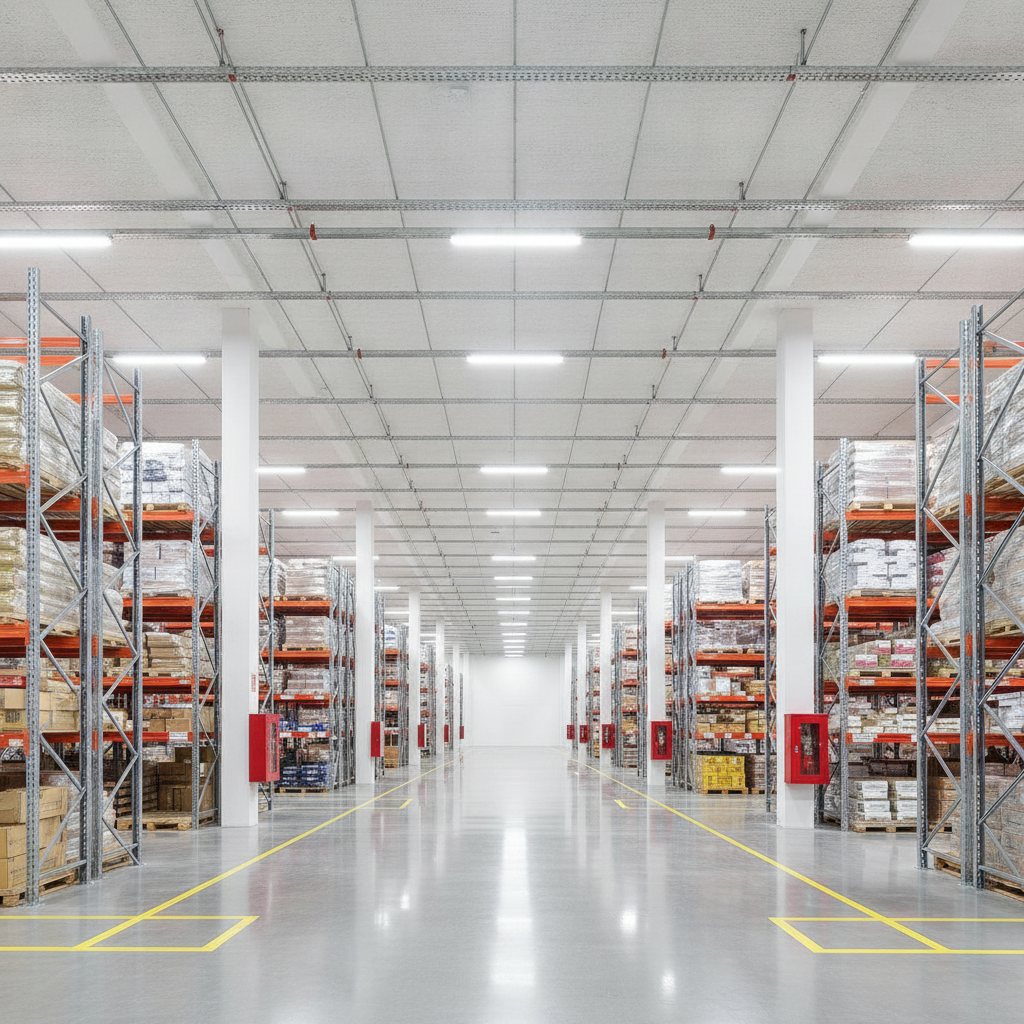
Fire protection equipment is the set of active and passive safety tools—extinguishers, sprinklers, alarms, signage, and accessories—used to detect, control, and communicate fire hazards in U.S. facilities. It reduces response time, supports code compliance, and protects people and assets across industrial plants, warehouses, utilities, and commercial buildings.
By VisionMarker • Last updated: June 21, 2026
Overview
This guide explains what fire protection equipment is, why it matters, how systems work together, and how to select, install, and maintain them. You’ll see practical checklists, signage standards, examples from U.S. facilities, and clear next steps to build a safer, compliant workplace with reliable, ANSI-certified solutions.
VisionMarker supports facility managers, EHS leaders, and maintenance teams with durable, standards-driven signage and identification: fire protection signage, ASME A13.1 pipe markers, ANSI-certified safety signs, and industrial labels and stickers. Our focus is clear communication that stands up to UV, moisture, and chemicals across demanding environments.
- Who this is for: EHS, facility and maintenance leaders across U.S. industrial and commercial sites
- What you’ll learn: Equipment types, interlocks, inspection cadences, and compliant signage
- What you can do today: Map risks, standardize labels and signs, and schedule inspections
At a glance (quick summary)
- Essentials: Extinguishers, alarms, sprinklers, hose cabinets, pull stations, and wayfinding
- Communication layer: NFPA 170 symbols, evacuation signs, and ASME A13.1 pipe markers
- Upkeep: Monthly visual extinguisher checks and routine inspection/maintenance intervals
- Outcomes: Faster response, fewer injuries, and simpler compliance audits
Table of contents
- What Is Fire Protection Equipment?
- Why Fire Protection Equipment Matters
- How Fire Protection Systems Work Together
- Types of Fire Protection Equipment
- Best Practices for Selection, Installation, and Maintenance
- Tools, Labels, and Resources
- Case Studies and Examples
- Frequently Asked Questions
- Conclusion and Next Steps
What Is Fire Protection Equipment?
Fire protection equipment is a coordinated set of devices and visual systems that detect, control, suppress, and communicate fire hazards. It includes extinguishers, sprinklers, alarms, hose systems, emergency lighting, and compliant signs and labels that guide people to act quickly and safely during emergencies.
In our experience, the fastest way to elevate safety is to pair reliable hardware with unambiguous communication. Extinguishers and sprinklers buy time; signage and labels direct action. That pairing keeps people moving toward safe egress and first response, even under stress when seconds matter.
- Active systems: Detection (smoke/heat), notification (horn/strobe), suppression (sprinklers, extinguishers).
- Passive elements: Fire-rated construction, doors, dampers, and compartmentation.
- Communication layer: NFPA 170 symbol-based fire signs, evacuation maps, and equipment identifiers.
- Identification: ASME A13.1 pipe markers and durable labels to show contents, direction of flow, and hazards.
VisionMarker’s role is the visual layer—fire signage that people can read fast, ANSI-certified safety signs, and marking systems that hold up in harsh conditions. When the visual layer is consistent, training sticks and audits go smoother.
Why Fire Protection Equipment Matters
The right mix of fire protection equipment reduces injuries, limits property damage, and simplifies compliance. Reliable devices paired with clear, standards-based signage help teams act in under a minute—often the difference between a contained incident and a full facility shutdown.
Here’s the thing: emergencies compress attention. Labels, markers, and pictograms act like cognitive shortcuts. They tell people what to do without words, across noisy floors or low-visibility conditions. We’ve seen facilities cut evacuation time after standardizing fire signs and aisle wayfinding.
- People first: Quick recognition of pull stations, extinguishers, and exits keeps crews safe.
- Asset protection: Early control of incipient-stage fires prevents cascading downtime.
- Compliance: Standards-aligned signs and identifiers streamline audits and insurance reviews.
- Consistency: One visual language across buildings reduces training time and errors.
We help U.S. plants and warehouses create that consistency with fire protection collections, evacuation signage, and rugged labels and stickers that won’t fade when you need them most.
How Fire Protection Systems Work Together
Effective protection layers detection, notification, suppression, and wayfinding. Detectors trigger alarms; alarms drive evacuation; sprinklers and extinguishers control flames; standardized signs and markers guide responders and occupants to equipment and exits during the sequence.
Think of it as a chain. Break a link—unclear signage, a blocked extinguisher, a missing inspection tag—and the chain fails under stress. Conversely, small upgrades compound: better placement, bolder pictograms, and labeled piping support smooth coordination among operations, maintenance, and first responders.
- Detect: Heat/smoke devices sense abnormal conditions and alert the panel.
- Notify: Horns, strobes, and voice evacuation direct movement toward exits.
- Suppress: Sprinklers and portable units limit fire growth and spread.
- Guide: NFPA 170 symbols and egress signs make routes and tools obvious.
- Identify risks: ASME A13.1 pipe markers signal flammable media and flow direction.
In electrical rooms, coordination extends to arc-flash boundaries and equipment labeling. For deeper context on electrical safety programs that reference recognized standards, review these NFPA 70E-aligned insights on switchgear testing.
Types of Fire Protection Equipment
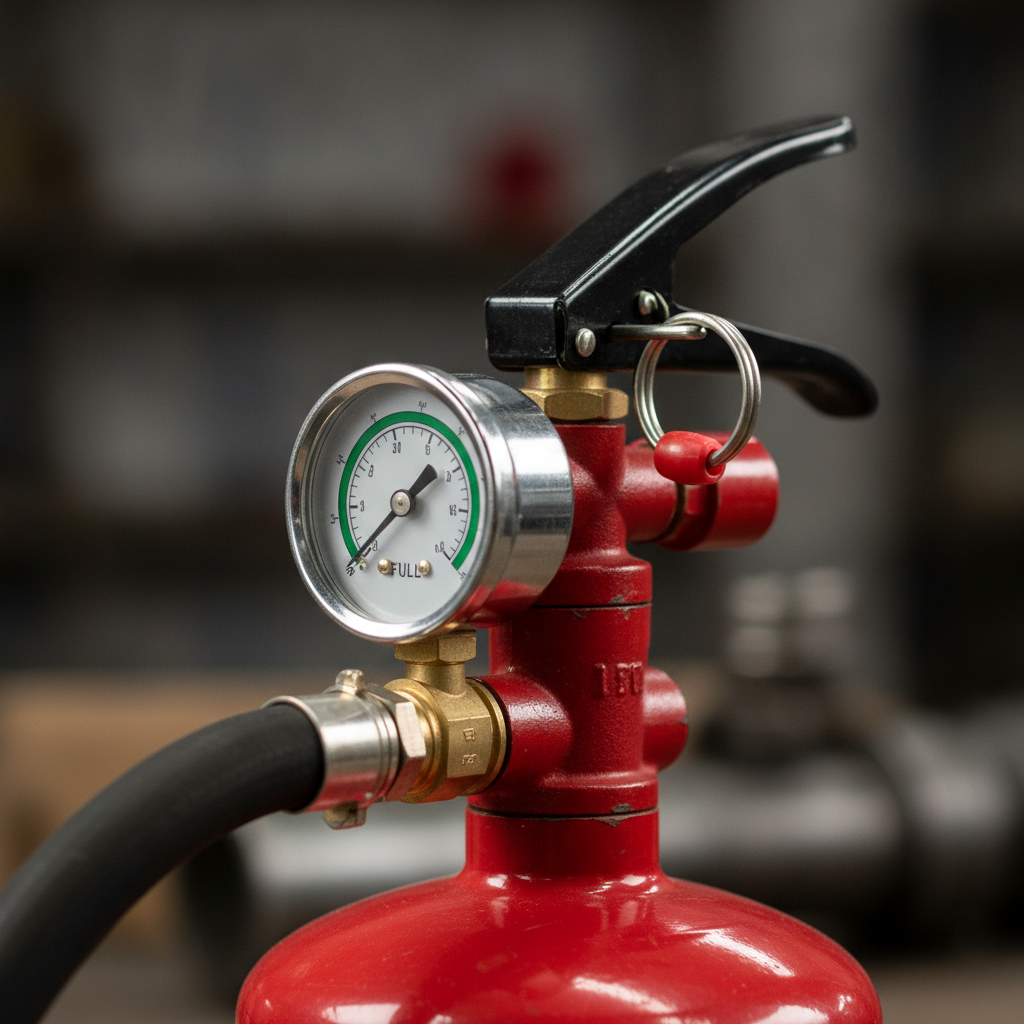
Core categories include extinguishers, sprinklers, alarms/notification, hose systems, emergency lighting, and standardized fire safety signage. Complementary items—labels, pipe markers, and floor markings—improve visibility, maintenance, and evacuation performance in real facilities.
Below are the essentials we see across U.S. plants, warehouses, utilities, construction sites, and commercial properties served by VisionMarker. Match these with your hazards, processes, and occupancy. Then add the communication layer so people instantly know what to do and where to go.
Portable fire extinguishers
- Common agents: ABC dry chemical, CO2, water mist, Class K for kitchen oils/fats.
- Key checks: Clear access, charged gauge, intact safety pin, legible labeling.
- Placement: Near likely ignition sources while maintaining unobstructed egress.
Automatic sprinklers
- Role: Control growth until fire service arrives; critical in storage and manufacturing.
- Care: Keep heads free of paint/dust; maintain correct clearance under deflectors.
- Signage tie-in: Mark risers, valves, and test connections with durable identifiers.
Alarm and notification systems
- Components: Detectors, control panel, pull stations, horns/strobes, voice evac.
- Visibility: Use standardized pictograms so anyone can find pull stations fast.
- Maintenance: Function tests on a defined schedule; record results on service labels.
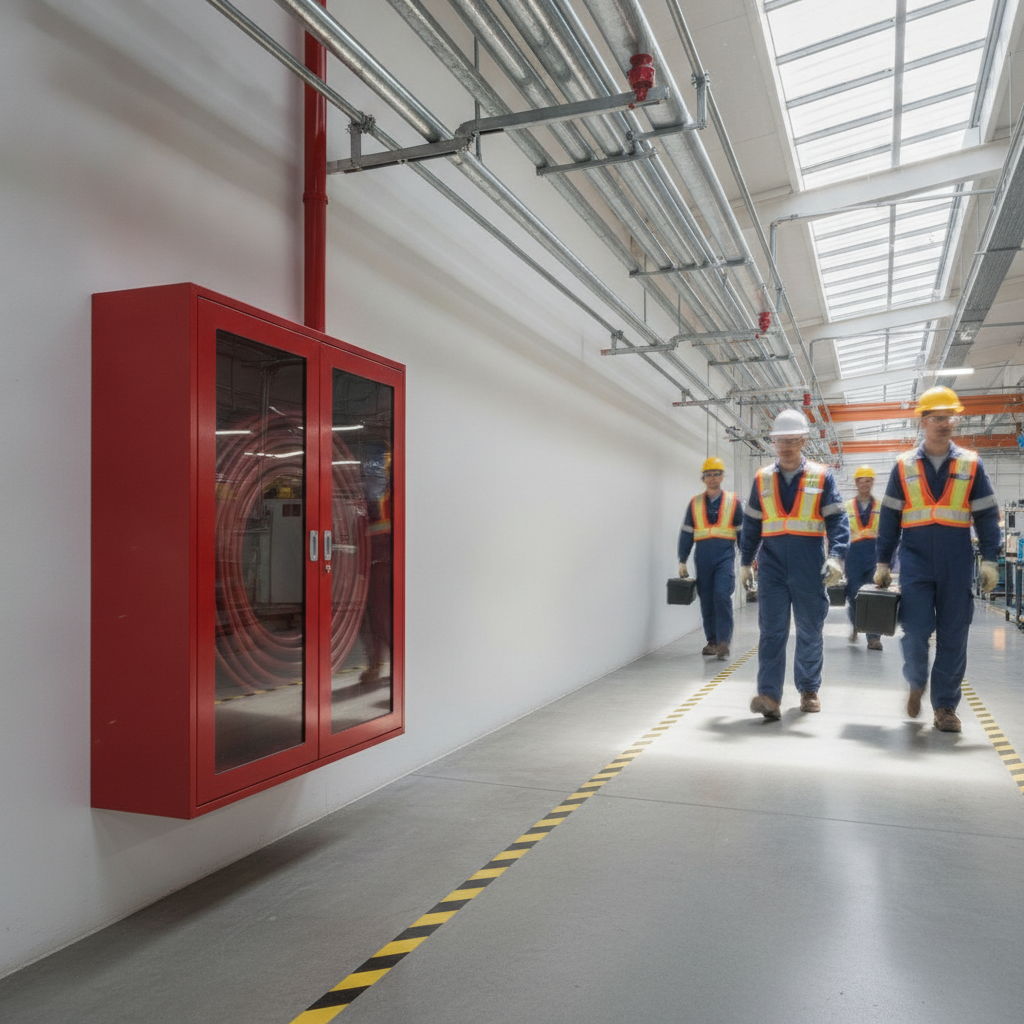
Hose cabinets and standpipes
- Application: First-aid firefighting in certain occupancies; signage must be obvious.
- Cabinets: Keep glazing clear; apply “Fire Hose” pictograms per NFPA 170 conventions.
- Wayfinding: Floor arrows and column wraps guide responders in large bays.
Emergency lighting and exit signs
- Purpose: Light the path when power drops and smoke reduces visibility.
- Checks: Test functions routinely; keep arrows and legends unambiguous.
- Integration: Coordinate with evacuation maps near main circulation paths.
Fire protection signage and labels
- NFPA 170 symbols: A common language for extinguishers, hydrants, hoses, and exits.
- Equipment ID: Valve tags, inspection labels, and QR-enabled maintenance logs.
- Durability: UV- and chemical-resistant substrates for outdoor/industrial exposure.
Explore VisionMarker’s fire signage guide and equipment supplier overview to see how standards-based graphics accelerate training and audits.
| Type | Typical Hazards | Notes for Signage/Labels |
|---|---|---|
| ABC Dry Chemical | Solids, liquids, energized equipment | Ensure location labels are bold; keep “Do Not Block” floor markings. |
| CO2 | Electrical equipment, small liquid fires | Use pictograms; caution for confined spaces due to displacement. |
| Water Mist | Delicate electronics, clean areas | Label agent type to prevent misuse; pair with equipment ID tags. |
| Class K | Commercial kitchens (oils/fats) | Pair with hood suppression indicators and “Kitchen Fire” signage. |
For commercial kitchens and food service, pair Class K extinguishers with maintained hood suppression. For a practical discussion of hood system compliance in real kitchens, see this overview of hood compliance practices.
Best Practices for Selection, Installation, and Maintenance
Select equipment to match hazards, install for visibility and access, and maintain on a written schedule. Standardize signs, labels, and pipe markers so responders and occupants can act immediately—even in low light, high noise, or smoke.
Selection
- Match extinguisher agent to likely fuels; confirm electrical compatibility where needed.
- Specify sprinkler and detection coverage appropriate to storage height and commodity.
- Choose ANSI-certified signage and labels engineered for UV, moisture, and chemicals.
Installation
- Keep equipment unobstructed with floor hashes and “Do Not Block” zone markers.
- Mount signs at consistent heights; use NFPA 170 pictograms for fast recognition.
- Apply ASME A13.1 pipe markers showing content, flow direction, and hazard color bands.
Maintenance
- Use monthly visual extinguisher checks and periodic service by qualified personnel.
- Function-test alarms and emergency lights; document with inspection labels and logs.
- Replace any faded, peeling, or illegible signs immediately to preserve clarity.
VisionMarker supports this lifecycle with fire safety equipment guidance and rugged labels/stickers that keep maintenance records legible through real-world exposure.
Mid-article CTA: Standardize your fire safety visuals. Explore our fire protection collection or start a custom quote request to align signage with your equipment layout.
Tools, Labels, and Resources
Beyond hardware, the right tools include inspection labels, valve tags, pipe markers, aisle and floor graphics, and evacuation maps. These items translate plans into real-world action, closing the gap between procedures and performance.
Labels and stickers
- Inspection tags/labels for extinguishers, valves, and panels to document checks.
- Equipment ID labels for risers, FDCs, valves, test connections, and hose racks.
- Durable substrates for outdoors, washdown, and chemical splash areas.
Pipe markers and hazard bands (ASME A13.1)
- Identify fire water, foam, and gaseous agents; clarify flow direction near valves.
- Use color bands consistently; maintain legibility across long pipe runs.
- Place markers at regular intervals, at changes in direction, and near penetrations.
Wayfinding and floor graphics
- “Keep Clear” zones in front of cabinets and panels reduce clutter-driven delays.
- Arrows and footprints support evacuation under low visibility.
- High-contrast inks maintain readability after abrasion and UV exposure.
VisionMarker’s catalog spans PPE signs, forklift traffic signs, lockout-for-safety signs, and emergency egress visuals—each engineered for visibility and durability. Explore our approach to OSHA-aligned warning signs that complement your fire protection layout.
Materials also matter in passive protection. For context on how structural choices interact with fire resilience, review a primer on fire-resistant steel in building assemblies and coordinate your active systems and signage accordingly.
Case Studies and Examples
Real facilities improve outcomes when they pair reliable equipment with standardized visuals. These brief scenarios show how consistent signs, labels, and markers shorten response time, reduce confusion, and help audits finish faster.
Food processing plant: Class K readiness
A national food processor added clear “Kitchen Fire” pictograms, Class K identifiers, and “Do Not Block” floor zones around hood pull stations. Result: staff located the correct device at a glance during a flare-up, containing the incident and resuming production after routine cleanup.
Distribution center: Aisle clarity and extinguisher access
A U.S. warehouse standardized extinguisher location labels and high-contrast floor hashes every bay. After training, associates reached extinguishers faster during drills, and auditors noted improved visibility from across wide cross-aisles.
Utility facility: Pipe identification and valve tagging
An energy utility deployed ASME A13.1 markers for fire protection mains and valves, adding inspection tags at test connections. Operators reported fewer wrong-turn mistakes during quarterly exercises, and documentation quality improved markedly.
Fabrication shop: Electrical panel and alarm visibility
A fabrication shop updated alarm pull pictograms, widened “Keep Clear” zones at panels, and added device ID labels. During a smoke event from a machine fault, workers found the pull station immediately and exited along clearly marked routes.
For kitchens specifically, operational discipline around hoods and suppression remains critical; see this practical note on hood system compliance considerations that teams can discuss during toolbox talks.
Local considerations for your area
- Adoption and enforcement of codes can vary by jurisdiction in the USA. Coordinate signage and labeling with your local authority having jurisdiction (AHJ) to align with inspections and occupancy permits.
- Seasonal extremes—summer heat, winter freeze—affect outdoor enclosures and readability. Choose UV-stable inks and substrates; protect exterior cabinets and maintain clear snow/ice paths to equipment.
- Peak logistics seasons increase floor congestion. Reinforce “Keep Clear” floor graphics before holidays and revisit extinguisher visibility during layout changes or temporary racking.
Frequently Asked Questions
These concise answers address common buyer questions about fire protection equipment, signage, and maintenance. Use them to align teams quickly and plan next steps without guesswork.
What counts as fire protection equipment in an industrial facility?
It includes detection (smoke/heat), notification (horns/strobes), suppression (sprinklers and extinguishers), hose cabinets, emergency lighting, and the communication layer—NFPA 170 fire safety signs, evacuation maps, and labels and markers that identify equipment and hazards.
How often should portable fire extinguishers be checked?
Most facilities conduct monthly visual checks to confirm pressure, pin, and access, plus routine maintenance by qualified personnel. Keep inspection labels up to date and replace any faded or illegible markings immediately.
Why are ASME A13.1 pipe markers relevant to fire safety?
They identify contents and flow direction on fire water, foam, or gaseous agent lines so responders and operators can trace systems quickly. Consistent color bands and arrows cut confusion during testing and emergencies.
Do I need signage if my team is already trained?
Yes. In an emergency, training competes with stress and noise. Standardized pictograms, arrows, and equipment labels act as prompts that speed action, guide new staff and contractors, and satisfy audit requirements.
Conclusion and Next Steps
Pair dependable devices with durable, standards-based visuals. Map hazards, confirm access and visibility, and document inspections with rugged labels. That combination shortens response times, protects people, and simplifies compliance across U.S. facilities.
- Key takeaways
- Layer detection, notification, suppression, and clear wayfinding.
- Standardize NFPA 170 symbols and ASME A13.1 pipe markers.
- Keep access zones and equipment labels legible and unobstructed.
- Maintain written inspection schedules and records.
- Action steps
- Walk your facility and flag any blocked, unmarked, or faded equipment points.
- Refresh evacuation maps and exit signs; add floor graphics to keep areas clear.
- Standardize extinguisher and valve tags; align intervals with your AHJ.
- Explore VisionMarker’s fire protection collection to close visual gaps fast.
Have a unique layout or mixed hazards? We can help translate it into a cohesive visual plan. Start with our fire protection tips and we’ll guide your team to a consistent, audit-ready standard.