Canada

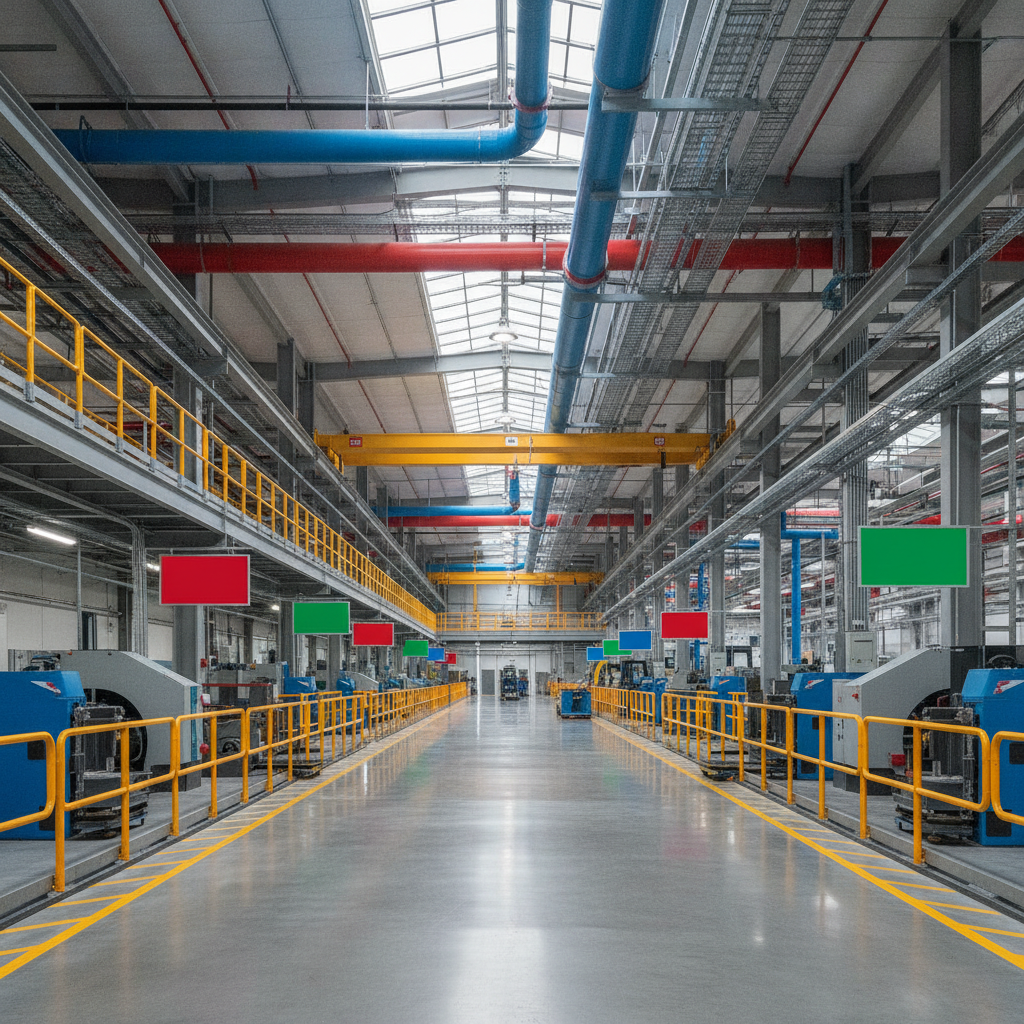
ANSI Z535 is the American National Standard for safety colors, signal words, symbols, and formats used on safety signs, labels, tags, and manuals. It defines how to communicate hazards clearly and consistently across U.S. workplaces. For facilities across the USA, aligning safety signs and pipe markers to ANSI Z535 improves recognition, reduces incidents, and supports OSHA compliance.
By VisionMarker • Last updated: 2026-06-22
Above-the-Fold: Why This Guide and What You’ll Learn
Use this ANSI Z535 guide to standardize your safety communication. You’ll quickly learn the roles of Z535.1–Z535.6, how OSHA 1910.145 references sign features, and how to format colors, symbols, and signal words. Apply the checklists and examples to update signs, labels, tags, and pipe markers with confidence.
Safety managers often inherit mixed signage—old OSHA signs, vendor-specific labels, and homegrown stickers. That patchwork slows decision-making and increases risk. This quick-start section orients you fast.
- What ANSI Z535 covers and how it aligns to OSHA
- Where Z535 meets ASME A13.1 for pipe markers
- Signal words, colors, and symbol rules that matter
- Placement distances, legibility, and maintenance
- Actionable templates, checklists, and examples from VisionMarker
At a Glance
- Six parts: Z535.1 colors, Z535.2 facility signs, Z535.3 symbols, Z535.4 product labels, Z535.5 tags, Z535.6 manuals.
- Five core signal words: DANGER, WARNING, CAUTION, NOTICE, SAFETY INSTRUCTIONS (used contextually).
- Consistent formats raise comprehension and reduce time to action.
Jump to a section
What Is ANSI Z535?
ANSI Z535 is a six-part standard that defines safety colors, signal words, symbols, and layouts for safety signs, labels, tags, and manuals in the United States. It enables consistent, legible, and quickly understood hazard communication across facilities, equipment, and documentation.
Think of ANSI Z535 as the design language for safety communication in American workplaces. It ensures a DANGER sign in one plant looks and reads like a DANGER sign in another.
- Scope: Facility signage, product labels, temporary tags, and safety messages in manuals/instructions.
- Objective: Speed up recognition and correct action through consistent colors, symbols, and text.
- OSHA connection: OSHA 1910.145 recognizes sign types and features; ANSI Z535 explains how to design them.
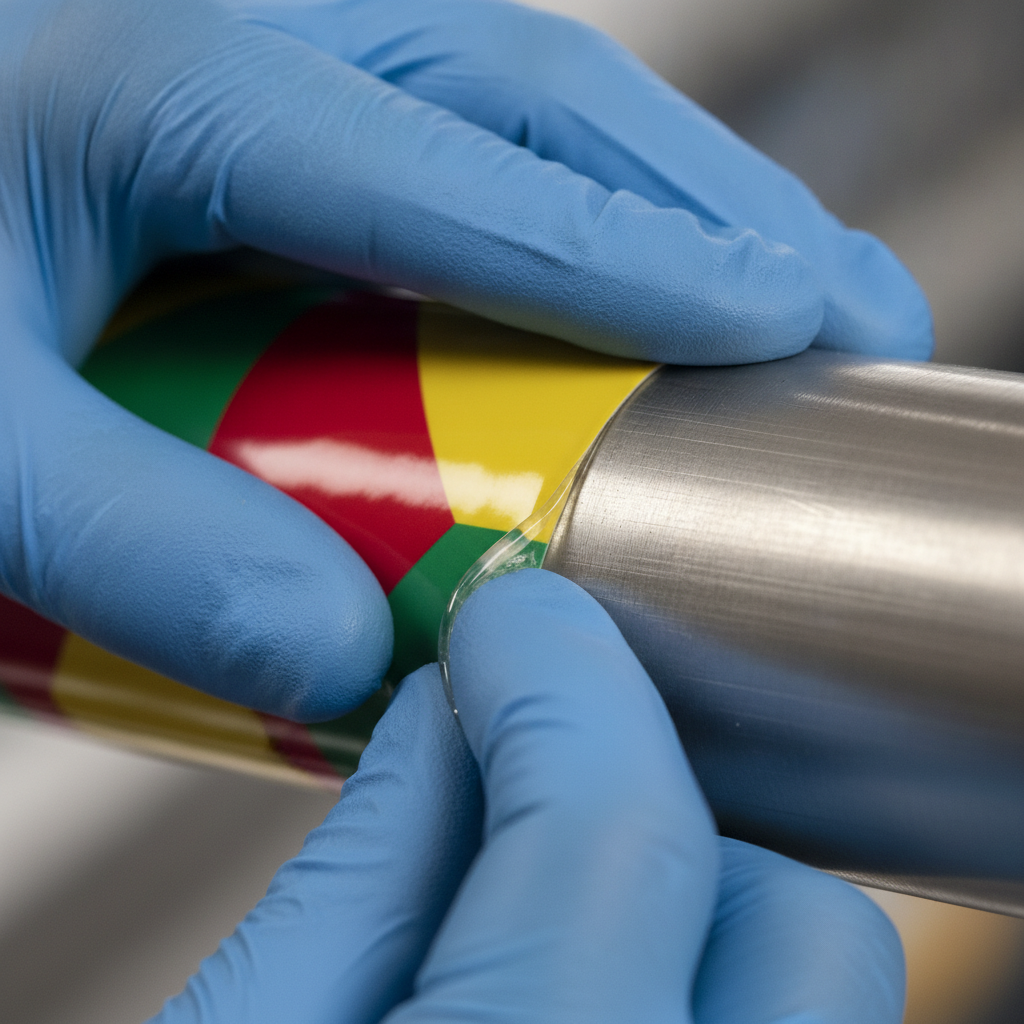
For pipe systems, ANSI Z535 pairs naturally with ASME A13.1. Colors and signal words from Z535 complement the content and flow direction rules in pipe markers. We apply both when building programs for clients using our Pipe ID guide and our self-adhesive pipe markers.
Why ANSI Z535 Matters
ANSI Z535 matters because it reduces confusion and time-to-action during hazards. Standard colors, signal words, and symbols increase comprehension, support OSHA recognition, and help organizations standardize safety communication across sites and shifts.
When labeling varies by department or vendor, people hesitate. During emergencies, seconds count. Z535 helps you remove that hesitation.
- Faster recognition: Common layouts and colors teach the eye what to expect. A red DANGER panel triggers immediate caution.
- Lower training load: Consistent formats shrink onboarding time across sites and contractors.
- Cross-compatibility: Aligns with OSHA sign types and complements ASME A13.1 pipe ID rules.
- Documentation continuity: The same conventions carry from the sign on the wall to the instructions in a manual.
In our experience serving U.S. and Canadian plants, standardization quickly pays back in fewer workarounds. Our marking systems safety guide shows how unified colors and messages reduce mistakes in high-mix, high-tempo operations.
How ANSI Z535 Works
ANSI Z535 defines safety colors, signal words, symbols, and panel formats. Designers combine a signal word panel, safety alert symbol (when injury is possible), a hazard/avoidance message, and, if needed, a pictogram. The result is a legible, standardized sign or label that is easy to scan.
Z535 pieces fit together like a kit:
- Signal word panel: DANGER, WARNING, CAUTION, NOTICE, or SAFETY INSTRUCTIONS.
- Safety alert symbol: Triangle with exclamation for injury-related hazards; not used with NOTICE.
- Message area: Hazard description + consequence + avoidance instructions, in that logical order.
- Pictogram/symbol: Optional but powerful. Select ISO/ANSI-tested symbols when available.
Legibility matters. Use adequate contrast, uncluttered layouts, and size text for the viewing distance. For equipment labels, keep critical words at eye level or near the point of interaction. When in doubt, favor fewer words and stronger verbs.
| Signal word | Severity | Typical use |
|---|---|---|
| DANGER | Will cause death/serious injury | Immediate, extreme hazard |
| WARNING | Could cause death/serious injury | Significant hazard |
| CAUTION | May cause minor/moderate injury | Lower-level hazard |
| NOTICE | Non-injury information | Procedural or equipment status |
| SAFETY INSTRUCTIONS | How to stay safe | General instructions or reminders |
For piping, pair Z535’s visual language with content from ASME A13.1 (fluid name, direction arrows, and color fields). Our Pipe ID guide explains the crossover in detail.
Types/Methods/Approaches: The Six Parts of ANSI Z535
ANSI Z535 consists of six coordinated standards: Z535.1 safety colors, Z535.2 facility safety signs, Z535.3 criteria for symbols, Z535.4 product safety labels, Z535.5 accident prevention tags, and Z535.6 safety information in manuals and instructions.
Z535.1 – Safety Colors
Color consistency drives recognition. Z535.1 specifies color definitions and tolerances (e.g., safety red, orange, yellow, green, blue). Using the correct color space ensures a CAUTION panel looks the same across vendors and print runs.
- Practical tip: Lock swatches with your printer to avoid drift across materials.
- Example: We standardize CAUTION yellow on rigid aluminum and flexible vinyl so lineside signs match equipment decals.
- Action: Build a color master file and require lab values on proofs before release.
Z535.2 – Environmental and Facility Safety Signs
These are the signs you mount around the workplace—on walls, doors, fences, and structures. Layout rules cover panel composition, message order, and symbol use so anyone can scan and act quickly.
- Placement: At the point of decision—before the hazard, at eye height, with a clear line of sight.
- Message order: Hazard → consequence → action.
- Example: Our OSHA warning signs guide maps Z535 formats to OSHA-recognized sign types.
Z535.3 – Criteria for Symbols
Symbols reduce language barriers and accelerate comprehension. Z535.3 outlines how to select or validate pictograms so they’re clear and tested for meaning.
- Use tested symbols: Prefer widely recognized, standards-based pictograms.
- Clarity first: Avoid overcrowded symbols or mixed metaphors.
- Example: In chemical areas, a corrosion pictogram plus clear action text performs better than text alone.
Z535.4 – Product Safety Signs and Labels
These labels sit on equipment where people interact—panels, guards, doors. They follow the same visual language in a compact format.
- Durability: Choose materials that resist UV, moisture, and chemicals.
- Example: VisionMarker prints ANSI-certified labels for harsh washdown zones to maintain legibility over time.
- Action: Audit high-touch equipment first; these labels pay the quickest safety dividend.
Z535.5 – Accident Prevention Tags
Tags are temporary and mobile—think maintenance, startup, or abnormal conditions. Z535.5 keeps the design consistent with permanent signs so workers don’t relearn the code under pressure.
- Use cases: Temporary hazards, energized work, out-of-service equipment.
- Example: During shutdowns, standardized WARNING tags guide safe steps until permanent fixes are in place.
- Action: Stock standard tag kits at maintenance cribs to avoid ad hoc handwriting.
Z535.6 – Product Safety Information in Manuals
Manuals, SOPs, and work instructions should mirror the same hierarchy and phrasing as the sign or label on the asset. That continuity improves retention.
- Consistency: Use the same signal words and symbols in documentation and on equipment.
- Example: Our teams align label text with SOP headings so operators don’t switch mental models mid-task.
- Action: Add a style guide page to every manual explaining your safety iconography.
Best Practices: Designing and Deploying ANSI Z535 Signs
Design Z535 signs with consistent colors, crisp signal words, tested symbols, and concise action text. Deploy at decision points with clear sightlines, verify legibility at distance, and maintain through inspections and replacements so signs remain readable over time.
Design essentials
- Start with risk: Pick the correct signal word for the highest credible consequence.
- Write for action: “Shut off valve before opening” beats long prose.
- Use white space: Crowding kills legibility; keep symbols and text balanced.
- Contrast counts: Dark text on light backgrounds or vice versa for quick reading.
Placement and legibility
- Meet the eye: Mount where users decide to act—not after they’re exposed.
- Distance sizing: Size panel and text for the viewing distance and lighting conditions.
- Avoid clutter: One clear message beats three half-seen ones.
Durability and upkeep
- Specify materials: UV-stable inks, chemical-resistant laminates, and rigid or flexible substrates as needed.
- Inspect quarterly: Replace faded, peeled, or obstructed signs immediately.
- Document: Keep a sign register with install dates, locations, and next audit.
VisionMarker manufactures ANSI-certified facility signs, labels, and pipe markers engineered to resist UV, moisture, and chemicals. Explore our fire safety products and our practical fire signage guide for deployment examples in high-risk areas.
Tools and Resources
Build your Z535 program with a sign inventory, a style guide, tested symbols, and durable materials. Use checklists for placement and legibility, and partner with a vendor that prints to ANSI color tolerances and supports fast reorders for replacement cycles.
- Inventory template: Location, hazard, signal word, substrate, install date, next inspection.
- Style guide: Approved signal words, colors, fonts, symbol library, and examples.
- Pipe marker alignment: Coordinate Z535 visuals with ASME A13.1-compliant markers for a unified system.
- Training: Use before/after photos to coach teams on spotting poor contrast or weak phrasing.
For related safety standards ecosystems, review how PPE conventions align with signage programs and visual management. For instance, many facilities coordinate safety eyewear zones and fall protection access with visual cues in the same color family as signs. See examples of PPE standardization in commercially available products like ANSI Z87 safety glasses and a standard-duty safety harness to understand how equipment labeling and color visibility reinforce what your Z535 program teaches.
Case Studies and Examples
Standardizing on ANSI Z535 improves scan time, reduces training effort, and supports OSHA recognition. These mini-examples show how U.S. facilities align signs, labels, and pipe markers to create a single, consistent safety language.
Example 1: Warehouse with mixed legacy signs
- Problem: Three sign styles across expansions created confusion at dock doors.
- Approach: We mapped hazards and replaced with Z535-compliant WARNING/NOTICE signs, unified symbol set, and floor markings.
- Result: Faster decisions at bays and fewer process deviations reported during audits.
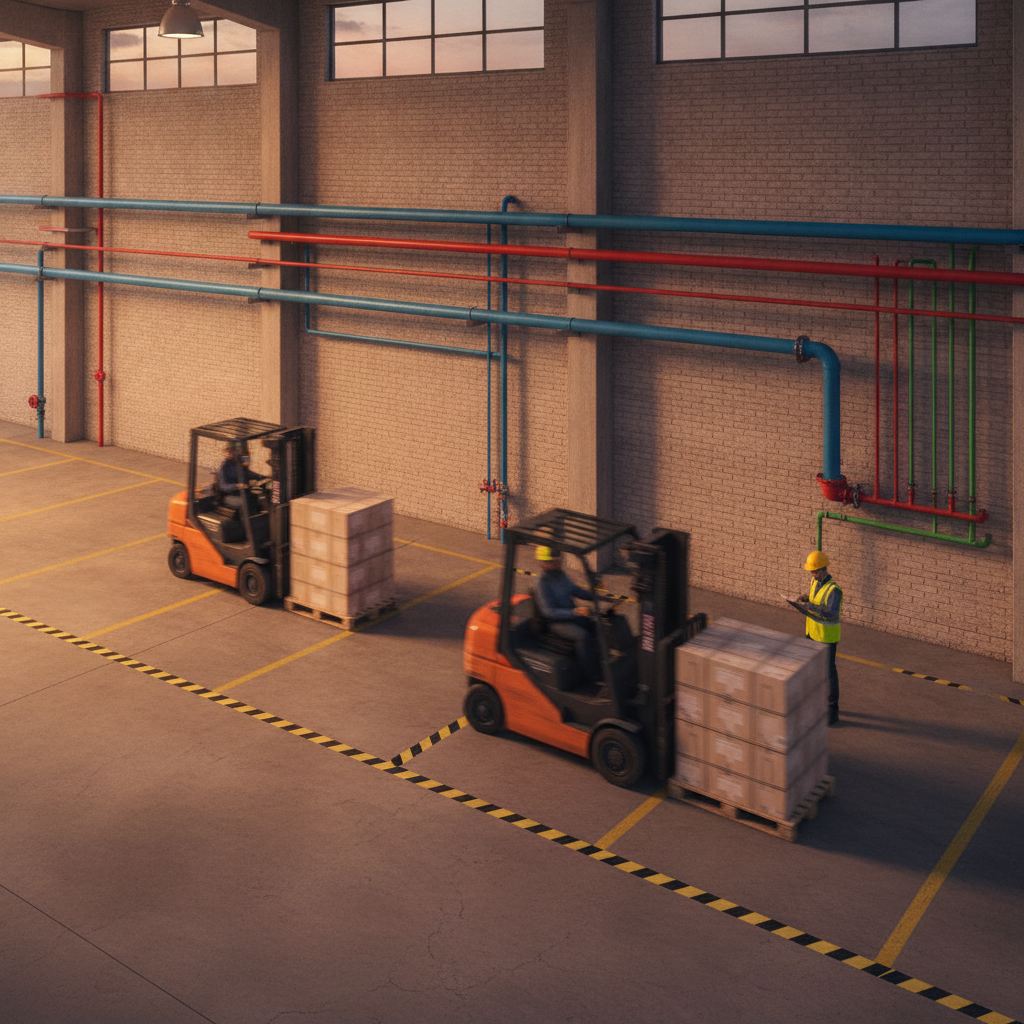
Example 2: Utilities plant updating pipe ID
- Problem: Inconsistent pipe markers and faded arrows in hot, humid areas.
- Approach: Installed ASME A13.1-compliant markers using Z535 color logic and high-adhesion wraps from VisionMarker.
- Result: Clear line tracing and quicker lockout verification during maintenance.
Example 3: Food processing washdown line
- Problem: Equipment labels degraded under caustic cleaners.
- Approach: Upgraded to chemical-resistant laminates, with Z535-compliant DANGER/CAUTION labels near guards and pinch points.
- Result: Labels remained legible through weekly sanitation cycles.
For more deployment examples tied to pipe systems and equipment, see our in-depth piping identification guide and practical advice in our marking systems guide.
Local considerations for your area
For facilities across the USA, apply ANSI Z535 in context: consider regional climate, inspection cadence, and shift patterns. Weather, lighting, and seasonal operations affect materials, placement, and maintenance cycles for signs, labels, and pipe markers.
Local considerations for your area
- Account for climate: Sun-heavy regions need UV-stable inks and laminates; cold regions need adhesives specified for low-temperature installs.
- Build around inspection cycles: Plan replacements before peak seasons (summer outages, year-end shutdowns) to minimize downtime.
- Design for shifts: Ensure illumination and contrast work on night shift as well as day shift—especially in warehouses and utilities.
Get Expert Help Applying ANSI Z535
Need a fast, standards-aligned rollout? VisionMarker helps U.S. facilities implement ANSI Z535 signs and ASME A13.1 pipe markers with durable materials and quick turnaround. We design, print, and organize your program for consistency.
Let’s standardize your safety communication. Explore our ASME A13.1 pipe marker options and tap our team for a quote through our website. We’ll map hazards, suggest formats, and deliver ANSI-certified prints for harsh environments.
Frequently Asked Questions
These concise answers clarify how ANSI Z535 interacts with OSHA and other standards, how to choose signal words, and how to handle maintenance and pipe markers in U.S. facilities.
Is ANSI Z535 required by law?
ANSI standards are voluntary consensus standards, but OSHA recognizes sign features and types in 29 CFR 1910.145. Many organizations adopt ANSI Z535 to meet best practices and align with OSHA recognition for consistent hazard communication.
How do I pick between DANGER, WARNING, and CAUTION?
Base the choice on credible worst-case outcome. Use DANGER for hazards that will cause death or serious injury, WARNING for those that could, and CAUTION for hazards that may cause minor or moderate injury. NOTICE covers non-injury information.
Where should I place safety signs?
Place signs at the decision point before exposure, at an appropriate height, with a clear line of sight. Avoid clutter. Size the panel and letters for the viewing distance and the lighting conditions in the area.
How does ANSI Z535 relate to ASME A13.1 pipe markers?
ANSI Z535 defines the visual language—colors, signal words, symbols—while ASME A13.1 defines the content and layout specifics for pipe identification. Use them together so pipe markers match your facility’s overall safety communication system.
What materials last longest in harsh environments?
For outdoor or washdown areas, use UV-stable inks, chemical-resistant laminates, and substrates suited to the surface—rigid aluminum for walls, flexible vinyl for curved or vibrating equipment. Schedule inspections and replace when faded or damaged.
Conclusion
ANSI Z535 gives U.S. facilities a common safety language. When signs, labels, tags, manuals, and pipe markers align, people act faster and more accurately. Standardize design, control placement and legibility, and maintain materials so your system performs when it matters.
Key takeaways
- Use ANSI Z535 across signs, labels, tags, and manuals for consistency.
- Match signal words to severity and keep messages action-oriented.
- Coordinate with ASME A13.1 so pipe markers fit your overall system.
- Specify durable materials and maintain on a set inspection cadence.
Next step: If you’re consolidating mixed signage, start with five critical areas—energy isolation, chemical storage, machine guarding, docks, and egress. We can help you map and standardize quickly through our marking systems guide and tailored print runs.
Related Topics (for deeper planning)
After standardizing ANSI Z535, extend visual management to pipe markers, fire protection, and process visuals. Coordinated systems help teams spot hazards, follow procedures, and maintain equipment with fewer errors.
Extend your program into areas that naturally connect with Z535: pipe identification aligned with ASME A13.1, fire protection visuals that support emergency response, and equipment labels that match your SOPs. Our pipe ID overview and fire signage guide show how to keep the look and language consistent across assets and spaces.
For broader context on standards families used in industrial settings, you can also see how construction material standards document requirements—for example, this overview of ASTM A706—to understand how detailed specifications drive consistency and performance in safety-critical domains.